
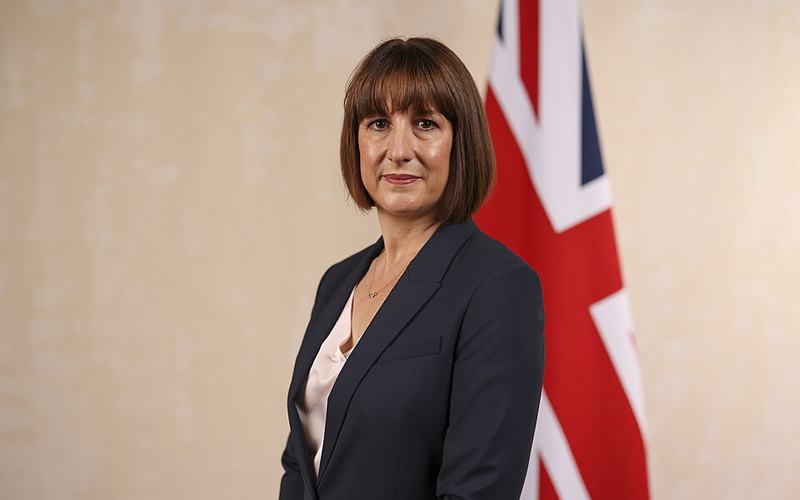
Chancellor Rachel Reeves has considered imposing a one-year rent freeze on private rented homes in England amid mounting economic pressures from the ongoing Iran War.
The proposal, which surfaced in government discussions earlier this week, would have prevented landlords from raising rents for 12 months, excluding new-build properties to support ongoing development. It aimed to shield renters from the cost-of-living crisis exacerbated by the war, which began on February 28, 2026, between the United States, Israel, and Iran. The conflict has driven up oil prices through disruptions in the Strait of Hormuz, fueling inflation and higher energy costs across the UK.
Economists have warned of the UK's sharpest growth downgrade and among the highest inflation rates in the G7 this year, even if the war's effects ease by mid-2026. Food and travel prices have surged, with air fares doubling and items like tomatoes affected by elevated energy expenses. The Treasury viewed the freeze as an exceptional response to these extraordinary circumstances, reversing Reeves' prior opposition to rent controls in the Renters' Rights reforms.
When questioned in Parliament on Tuesday, Reeves stated she would "do everything in my power and use every lever we have to bear down on the cost of living, including for people in the private rented sector." However, the idea faced swift pushback within the government. Housing Secretary Steve Reed ruled out rent controls or freezes on Wednesday, noting that similar measures in Scotland resulted in higher rents and reduced rental supply. He emphasized the government's focus on the Renters' Rights Bill, which takes effect on Friday and bans no-fault evictions.
Senior ministers derided the proposal less than 48 hours after its reporting, and Downing Street dismissed the rumors. The National Residential Landlords Association warned that a freeze could punish landlords for broader economic impacts beyond their control and deter investment in rental housing.
Experts offered mixed views. George Bangham of the New Economics Foundation argued that carefully implemented controls could address the affordability crisis, citing historical precedents from 1915 to 1989 in England. Robert Colvile of the Centre for Policy Studies cautioned that it would represent a massive intervention likely to discourage new housing supply.
Prime Minister Keir Starmer chaired a Middle East resilience committee meeting on Tuesday to assess domestic fallout, including potential supply chain issues for fuel and food. The government has relaxed airline slot rules in anticipation of shortages, but has no military involvement in the conflict. As the war enters its third month, with U.S. President Trump urging Iran to concede amid a Hormuz blockade, its economic ripples continue to challenge UK policymakers.

Comments
No comments yet. Be the first to share your thoughts.