
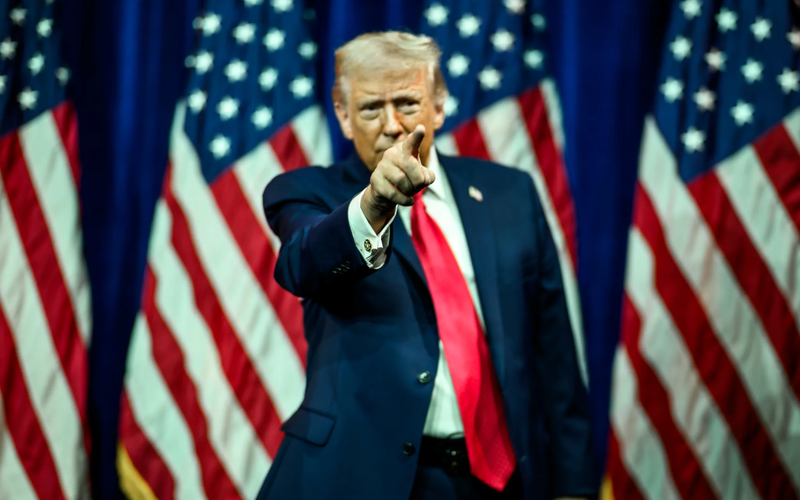
President Donald Trump rejected Iran's latest proposal to reopen the Strait of Hormuz and end the ongoing war, signaling continued U.S. resolve to address Tehran's nuclear ambitions first.
The proposal, delivered via Pakistani mediators on Sunday, called for Iran to restore access to the vital waterway, lift the U.S. naval blockade on Iranian ports, and conclude the conflict through a ceasefire or permanent agreement. It postponed negotiations on Iran's nuclear program until after these steps. Iranian Foreign Minister Abbas Araghchi conveyed the offer after talks in Pakistan and Oman, amid a canceled U.S.-Iran meeting in Islamabad.
Trump reviewed the plan during a White House Situation Room meeting with his national security team on Monday. He expressed dissatisfaction with advisers, insisting any deal must prioritize preventing Iran from acquiring nuclear weapons. White House press secretary Karoline Leavitt emphasized U.S. red lines remain firm, stating the administration holds leverage and will not negotiate through the press.
Secretary of State Marco Rubio dismissed the offer, arguing Iran would not fully open the strait but impose coordination, permissions, or fees on transiting ships unacceptable for international waters. Trump posted on Truth Social that Iran struggled with leadership clarity, underscoring internal divisions hindering concessions.
The standoff stems from the 2026 Iran war, triggered by U.S.-Israeli airstrikes on February 28 that killed Supreme Leader Ali Khamenei. Iran retaliated with missiles and closed the Strait of Hormuz through attacks, mines, and jamming, dropping traffic to near zero. The U.S. responded with a naval blockade on Iranian ports starting April 13, creating a dual blockade despite a strained April 8 ceasefire.
The Strait handles 20% of global seaborne oil and LNG, stranding thousands of vessels and spiking prices above $100 per barrel. Thousands of mariners remain trapped, with economic fallout hitting global markets.
Iranian President Masoud Pezeshkian insisted Tehran would not negotiate under port restrictions, while Araghchi met Russian President Vladimir Putin to discuss diplomacy. The U.N. and dozens of nations urged reopening the strait, but Russia and China blocked resolutions.
U.S. officials assess that Iranian negotiators lack authority from the supreme leader or Revolutionary Guards for nuclear concessions. The blockade pressures Iran's energy sector, but Tehran has hardened its position. No timeline emerged for further talks, leaving the ceasefire fragile.

Comments
No comments yet. Be the first to share your thoughts.