
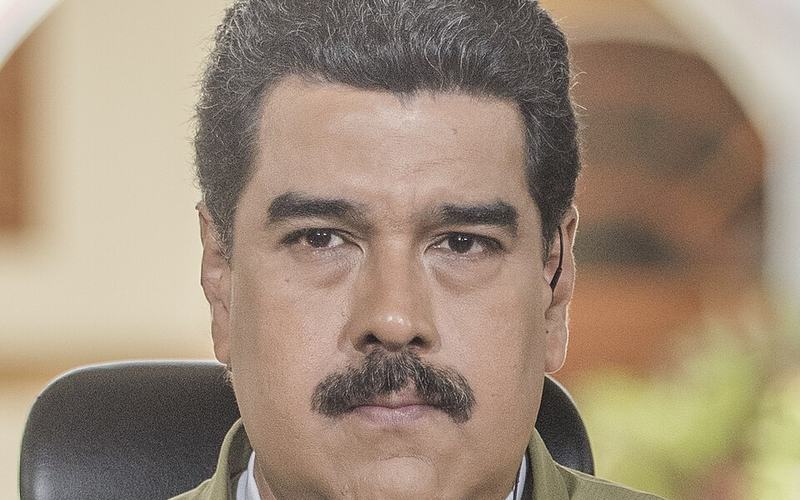
The United States agreed late Friday to permit the Venezuelan government to pay legal fees for the defense of former President Nicolás Maduro and his wife, Cilia Flores, resolving a dispute that threatened to delay their federal criminal trial.
Federal prosecutors and defense attorneys filed a joint letter to U.S. District Judge Alvin Hellerstein in Manhattan, stating that the Treasury Department's Office of Foreign Assets Control had amended licenses to authorize the payments under strict conditions. The funds must come from money available to Venezuela after March 5, 2026, and cannot originate from restricted foreign government deposit accounts. Maduro's lawyer, Barry Pollack, and prosecutors confirmed the arrangement ends the standoff, and the defense withdrew motions to dismiss the indictment.
Maduro, 63, and Flores, 69, face charges of narcoterrorism conspiracy, cocaine importation, and weapons offenses in the Southern District of New York. Prosecutors allege they led a cartel of Venezuelan officials that flooded the U.S. with narcotics alongside violent drug traffickers and corrupt regional figures over decades. Both pleaded not guilty after their January 5 arraignment and remain detained at the Metropolitan Detention Center in Brooklyn.
U.S. special forces captured the couple during a nighttime raid on their Caracas home on January 3, 2026, and transported them to New York. The arrests followed Maduro's ouster from power, after which the U.S. recognized Delcy Rodríguez, his former vice president, as interim leader and relaxed some sanctions on Venezuela.
The fees dispute emerged in February when OFAC initially granted but quickly revoked a license for Venezuela to pay Pollack, which prosecutors called an administrative error. Defense lawyers argued the block violated the Sixth Amendment right to counsel of choice, as the Maduros testified they lacked personal funds. Pollack moved to dismiss the case, claiming U.S. sanctions hindered their defense.
At a March 26 hearing, Hellerstein expressed skepticism toward the government's position. "The right that's implicated, paramount over other rights, is the right to constitutional counsel," the judge said, noting the couple posed no ongoing threat in custody. Prosecutors countered that sanctions served foreign policy goals predating the case, accusing the Maduros of plundering Venezuela's wealth.
The resolution clears a key obstacle, allowing the trial to proceed without taxpayer-funded defense or further delays. Pollack has indicated plans to challenge the legality of Maduro's arrest and assert presidential immunity for the alleged conduct. The U.S. had not recognized Maduro as Venezuela's leader since 2019, viewing his 2018 reelection as fraudulent.

Comments
No comments yet. Be the first to share your thoughts.