
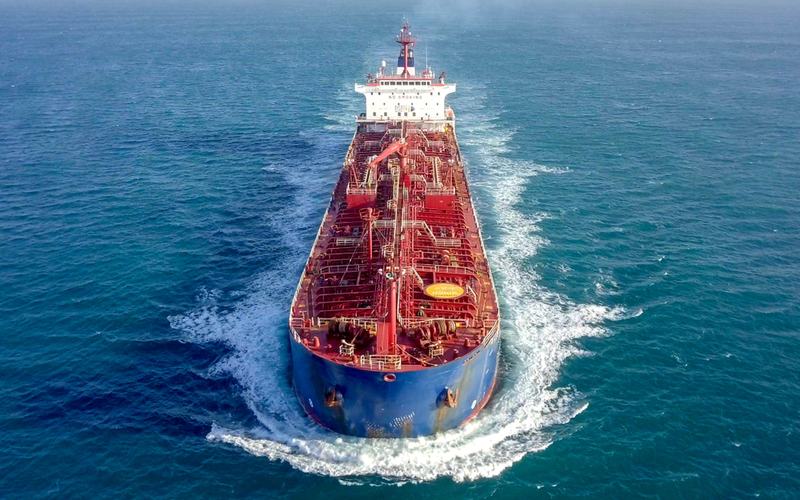
The U.S. naval blockade of Iranian ports has begun to cripple Tehran's oil industry, forcing production cuts after just over two weeks. Iran was producing more than 3 million barrels per day of crude before the war, with roughly half used domestically and the rest exported mainly to China. Exports have plummeted by over 80 percent since the blockade started on April 13, with only about 4 million barrels escaping the Gulf of Oman in the first 12 days compared to 23.4 million barrels in a similar period in March.
Onshore storage now stands at more than 50 million barrels, or 60 percent of capacity, leaving roughly 22 days or less of unused space at current rates. Analysts from Kpler and Wood Mackenzie warn that prolonged constraints could force deeper cuts within weeks, potentially damaging aging reservoirs if shutdowns exceed one month. Iran has turned to floating storage on tankers, disused "junk" tanks, and even rail shipments to China to buy time.
The blockade followed failed peace talks in Islamabad and Iran's prior closure of the Strait of Hormuz, through which 20 percent of global oil flows. U.S. forces have boarded suspect vessels and seized tankers carrying Iranian crude. President Donald Trump described the strategy as more effective than airstrikes, telling aides to prepare for months-long enforcement to choke Iran's revenues. Treasury Secretary Scott Bessent stated on social media that Iran's pumping "will soon collapse," predicting gasoline shortages next.
The measures have driven Brent crude to $126 per barrel, a wartime high, tightening supplies worldwide and boosting U.S. oil exports to records. Iran's rial hit a record low, compounding economic woes from the conflict that began on February 28. Tehran insists the blockade will fail but has praised oil workers' resilience while state media discusses storage risks.
Experts like Miad Maleki, a former U.S. sanctions official, note Tehran's leaders resist full shutdowns due to long-term damage and potential unrest in oil-rich provinces. With U.S. signals of no letup, Iran's oil sector faces its most severe test in decades.

Comments
No comments yet. Be the first to share your thoughts.