
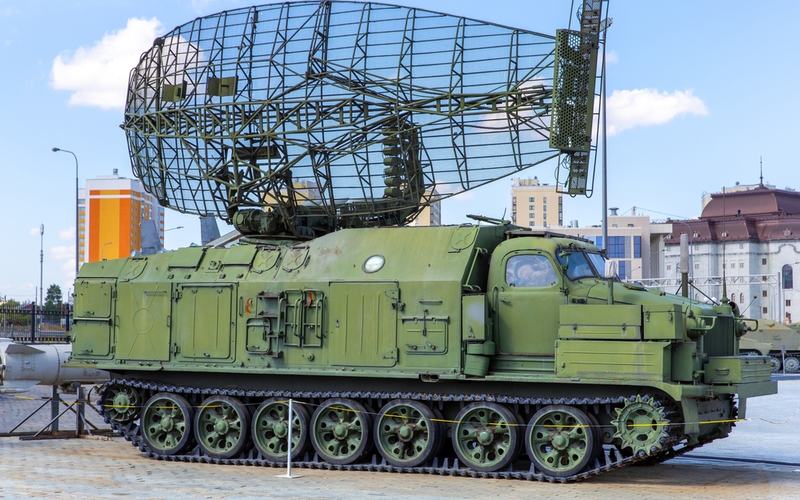
U.S. intelligence agencies have detected signs that China weighed providing Iran with advanced radar systems shortly after the U.S.-Israel war against Tehran began last month. Analysts at the Defense Intelligence Agency made this assessment as concerns grew that Moscow and Beijing might bolster Iran's defenses amid the five-week conflict, which ended in a fragile ceasefire brokered with China's involvement.
The potential transfer involved X-band radar systems, which operate at high frequencies to better detect and track low-flying threats such as drones and cruise missiles. Such technology would strengthen Iran's air defenses against precision strikes, complicating U.S. and Israeli operations in the region. It remains unclear whether China proceeded with any delivery, according to officials familiar with the intelligence.
The U.S.-led military campaign against Iran started in February 2026, targeting Tehran's nuclear sites, missile facilities, and military infrastructure. Iran retaliated with missile barrages and drone swarms, downing U.S. aircraft, including an F-15, last week, using a shoulder-fired missile. A two-week ceasefire took hold earlier this month, but tensions persist as Iran seeks to rebuild its capabilities. Separate U.S. assessments indicate China has prepared shipments of man-portable air-defense systems, or MANPADs, to Iran via third countries within recent weeks, marking a potential escalation from prior dual-use technology sales.
Iran has already leveraged Chinese technology during the war. Tehran used imagery from a Chinese spy satellite acquired in late 2024 to target U.S. bases across the Middle East, according to reports. Chinese firms, some linked to the People's Liberation Army, have marketed AI-enhanced intelligence on U.S. forces derived from commercial satellites.
U.S. officials responded forcefully. President Donald Trump sent a letter to Chinese leader Xi Jinping urging no arms transfers and threatening 50% tariffs on nations supplying Iran. Defense Secretary Pete Hegseth noted Trump's direct communications with Xi, adding that China assured no such actions would occur. Senate Intelligence Committee Vice Chairman Mark Warner highlighted China's blurred lines between private firms and the Communist Party, calling the developments significant.
Beijing denied the allegations. A Chinese Embassy spokesperson in Washington insisted China upholds an objective stance, promotes peace talks, and avoids escalation. Foreign Ministry spokesman Guo Jiakun labeled media reports of weapons supplies as fabricated, warning of countermeasures to any tariffs. Trump is scheduled to visit China early next month for talks with Xi.
The intelligence underscores growing challenges to U.S. military superiority, as China's space and radar advancements position it to counter American operations globally. The 2026 Annual Threat Assessment warned that Beijing's rapid space deployments threaten U.S. dominance in the domain. With Russia also sharing targeting data on U.S. assets, the alignment raises risks of broader confrontation beyond the Middle East.

Comments
No comments yet. Be the first to share your thoughts.