
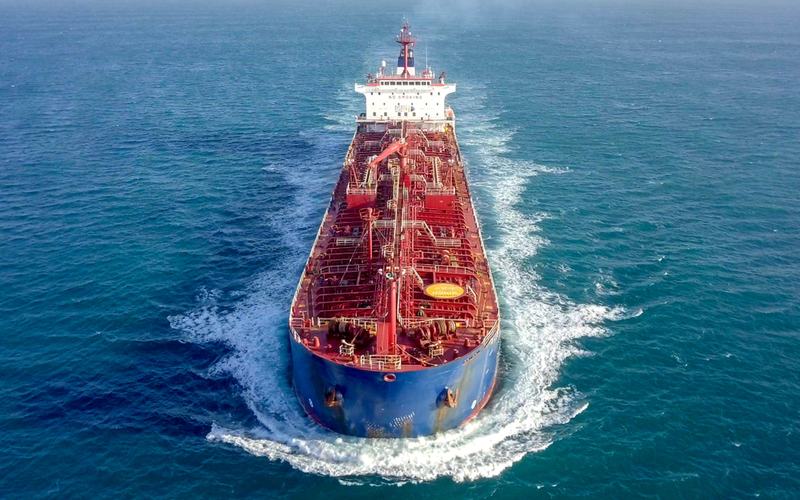
The United States imposed sanctions on Friday against Hengli Petrochemical (Dalian) Refinery Co., Ltd., China's second-largest independent 'teapot' refinery, accusing it of purchasing billions of dollars in Iranian crude oil and petroleum products since 2023. The Treasury Department's Office of Foreign Assets Control also designated roughly 40 shipping companies and 19 vessels involved in Iran's shadow fleet for transporting Iranian oil to markets including China.
Hengli, which has a processing capacity of about 400,000 barrels per day, received shipments from shadow fleet vessels such as BIG MAG, GALE, and ARES, delivering over 5 million barrels of Iranian petroleum to the refinery. The Treasury stated that these purchases, including oil sourced from Sepehr Energy Jahan Nama Pars Company, an arm of Iran's Armed Forces General Staff, generated hundreds of millions of dollars for Tehran's military. The sanctions block U.S. assets of the designated parties and prohibit Americans from dealing with them.
The action is part of the Trump administration's 'Economic Fury' campaign, launched under Executive Order 13902, targeting Iran's petroleum sector to curb its revenue for regional aggression and nuclear activities. Since February 2025, the Treasury has sanctioned over 1,000 Iran-related persons, vessels, and aircraft. Previous designations included other Chinese teapot refineries such as Shandong Shengxing Chemical, Hebei Xinhai Chemical Group, and Shandong Shouguang Luqing Petrochemical.
Treasury Secretary Scott Bessent said the measures impose 'a financial stranglehold on the Iranian regime' and vowed to continue constricting the network of vessels, intermediaries, and buyers sustaining Iran's oil exports. The shadow fleet vessels sanctioned include the LISBOA, which carried over 2.5 million barrels of Iranian naphtha, and the SEEKER 8, which transported more than 4 million barrels of Iranian crude to China.
China's independent teapot refineries, which make up about a quarter of the country's refining capacity, are primary buyers of Iranian oil, accounting for over 80% of Tehran's shipped crude in recent years. These smaller plants often operate on thin margins and have faced challenges from prior U.S. actions, including difficulties securing crude supplies. China has condemned the sanctions as 'illegal' unilateral measures that harm normal trade, with its embassy in Washington urging the U.S. to cease 'abusing' sanctions against Chinese firms.
The designations come ahead of another round of U.S.-Iran peace talks over the weekend amid ongoing tensions. The administration has also warned Chinese banks and others of potential secondary sanctions for facilitating Iranian transactions.

Comments
No comments yet. Be the first to share your thoughts.