
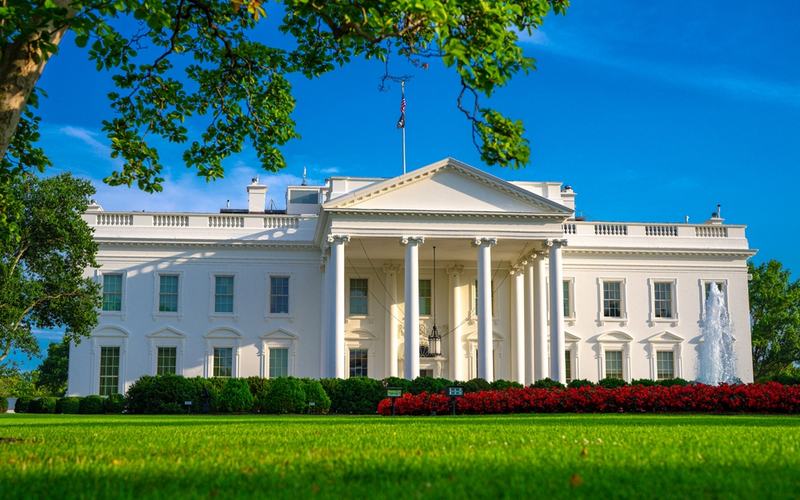
The White House denied reports Wednesday that the United States had formally requested an extension of its two-week ceasefire with Iran.
Press Secretary Karoline Leavitt dismissed the media accounts as "bad reporting," stating, "That is not true at this moment." She emphasized that negotiations remain active, describing them as "productive and ongoing." Leavitt noted discussions about a second round of in-person talks, potentially in Islamabad, Pakistan, adding, "We feel good about the prospects of a deal."
The ceasefire, agreed on April 7 and effective shortly thereafter, is set to expire next Tuesday, April 22. It followed a month and a half of escalating conflict that began in late February when the United States and Israel launched strikes against Iran's military, leadership, and nuclear facilities. Iran responded with attacks on Gulf states and through proxies like Hezbollah in Lebanon, closing the Strait of Hormuz and disrupting global oil supplies.
Under the truce, Iran committed to reopening the Strait of Hormuz, coordinating safe passage with Oman to collect transit fees for reconstruction, and halting attacks on the United States, Israel, and regional allies. In return, the United States and Israel suspended strikes. The agreement serves as a basis for broader negotiations on issues including Iran's nuclear program, sanctions relief, U.S. troop withdrawals, and proxy activities.
Initial talks last weekend in Islamabad, mediated by Pakistan's military chief Gen. Asim Munir, involved U.S. Vice President JD Vance, Middle East envoy Steve Witkoff, and Jared Kushner. The 20-hour session ended without a comprehensive deal. President Donald Trump later indicated to the New York Post that further discussions could resume soon in Pakistan.
Iranian state media echoed the uncertainty, with a foreign ministry spokesperson calling extension reports unconfirmed. Mediators have pushed for prolongation to allow more time, but a U.S. official told The Jerusalem Post that no formal agreement exists, though engagement continues.
The war has caused significant casualties, including over 1,900 deaths in Iran, 23 in Israel, and 13 U.S. service members. Iran's closure of the Strait of Hormuz, through which a fifth of global oil passes, spiked energy prices worldwide. The United States maintains a blockade on Iranian ports amid the standoff.
Vance described persistent distrust but expressed optimism, noting Iranian negotiators' interest in a deal. Trump has framed the ceasefire as a step toward victory, prioritizing the end of Iran's nuclear ambitions. As the deadline approaches, attention focuses on whether talks yield progress before hostilities resume.

Comments
No comments yet. Be the first to share your thoughts.