
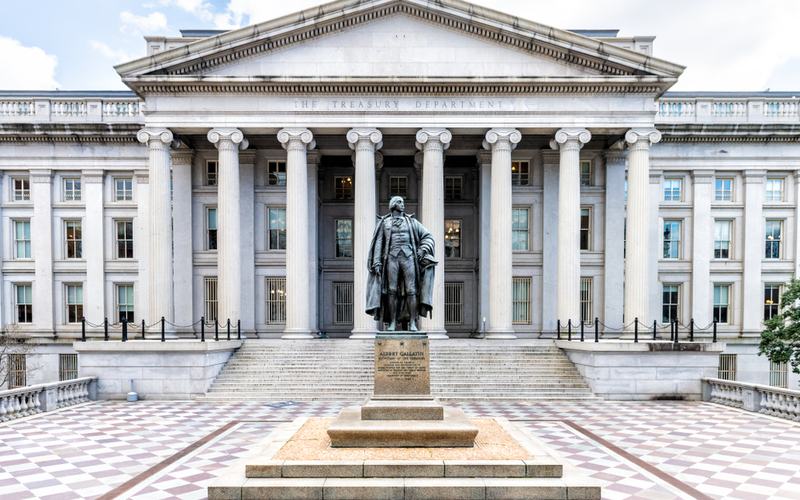
The 10-year U.S. Treasury yield climbed above 5% on Tuesday, reaching its highest level since 2007 as investors responded to rising inflation concerns, higher oil prices, and shifting expectations for Federal Reserve interest rates. The benchmark yield reached 5.041% during trading, according to Reuters.
The 10-year Treasury yield is closely watched because it serves as a benchmark for borrowing costs across the economy. Mortgage rates, corporate borrowing and other long-term loans can move with Treasury yields, meaning sustained increases can raise financing costs for consumers and businesses.
The latest increase comes as crude oil prices moved above $100 a barrel amid escalating tensions in the Middle East. Higher energy prices have increased concerns that inflation could remain elevated, while markets are also reassessing the path of Federal Reserve interest rates. Traders were pricing in a rate increase at the Fed's meeting Wednesday.
Higher Treasury yields can also increase the federal government's borrowing costs as newly issued debt carries higher interest rates. Reuters reported that investors are also weighing heavy government debt issuance, strong economic growth and concerns about the country's long-term fiscal outlook as factors behind the rise in yields.
The move above 5% marks a significant shift from earlier this year and returns the benchmark to levels last seen before the 2008 financial crisis. The yield briefly exceeded 5% in October 2023, but Tuesday's move pushed it to its highest level since 2007.
Rising yields are also being watched by stock investors because higher long-term borrowing costs can weigh on valuations, particularly for companies whose expected profits are further in the future. U.S. stocks have remained relatively resilient despite the bond-market selloff, but investors are monitoring whether the increase in yields persists.

Comments
No comments yet. Be the first to share your thoughts.