
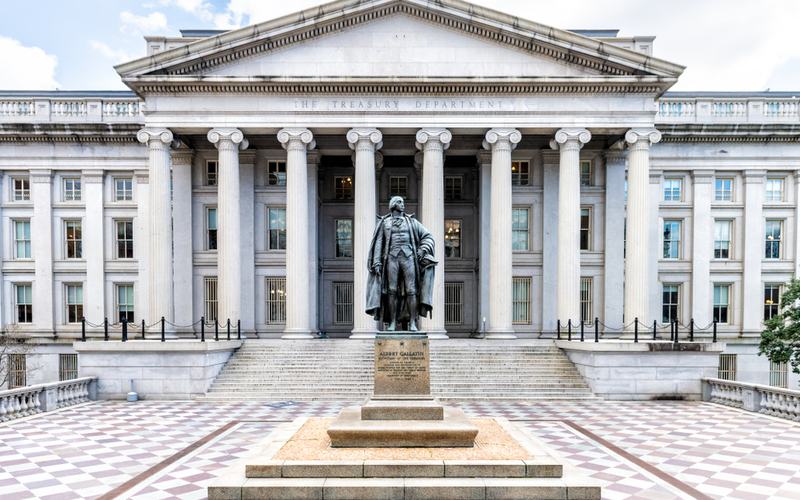
The yield on the 30-year U.S. Treasury bond reached 5.612 percent on Tuesday, the highest reading since June 2002. The move reflects continued pressure in the bond market as investors adjust to persistent inflation and elevated government borrowing needs.
Yields on longer-dated Treasuries have climbed steadily in recent sessions. The 30-year note has now surpassed levels not seen in more than two decades, a development that raises borrowing costs across the economy. Mortgage rates, corporate debt issuance, and other long-term financing decisions typically track movements in this benchmark.
Market participants have pointed to several factors driving the increase. Stronger-than-expected economic data and concerns over fiscal deficits have contributed to the selloff in bonds. Higher yields signal that investors demand greater compensation for holding longer-term debt amid uncertainty about future inflation and interest-rate paths.
The rise carries direct consequences for households and businesses. Homebuyers face elevated mortgage rates that reduce affordability. Companies planning large capital projects or refinancing existing debt encounter higher interest expenses. State and local governments also confront increased costs when issuing new bonds.
Treasury yields serve as a key indicator of market expectations for economic growth and monetary policy. A sustained move higher in the 30-year yield can pressure stock valuations, particularly in interest-rate-sensitive sectors such as technology and real estate.
Analysts note that the current level remains below the peaks reached during the early 2000s, when yields briefly exceeded 6 percent. Still, the rapid ascent from levels near 4 percent earlier this decade underscores the shift in market sentiment.
The Treasury Department continues to issue substantial volumes of new debt to finance federal deficits. This supply, combined with reduced demand from some foreign buyers, has added to upward pressure on yields.
Investors will monitor upcoming economic releases and any signals from Federal Reserve officials for clues on whether the recent yield increase will persist or moderate.

Comments
No comments yet. Be the first to share your thoughts.