
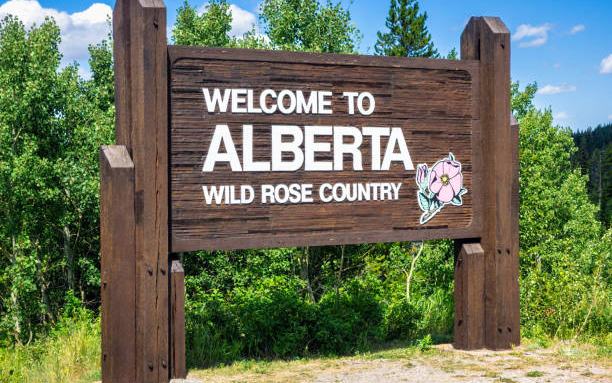
Alberta is preparing for a historic vote on its future within Canada, with voters set to decide on October 19 whether the provincial government should begin the legal process required to hold a binding referendum on separation. The vote does not ask Albertans to leave Canada immediately, but a majority in favor would move the province toward a separate, legally binding decision on independence.
The referendum follows years of frustration among some Albertans over federal policies, particularly those affecting the province’s oil and gas industry, its economic interests and its relationship with the federal government in Ottawa. Supporters of independence argue that Alberta’s energy wealth and economic potential are not being adequately served by federal decisions.
Premier Danielle Smith called the referendum after separatists organized a petition campaign seeking an independence vote. Although Smith has expressed support for Alberta remaining part of Canada, she has said voters should have an opportunity to weigh in on the province’s future.
The ballot includes 10 questions covering issues such as immigration, access to provincial services, and voter identification. The final question asks voters to choose between Alberta remaining a Canadian province and the government beginning the legal process for a binding referendum on separation.
Canadian Prime Minister Mark Carney has urged Albertans to reject the move toward a separation referendum, warning that it would begin a “long and uncertain process” at a time of international instability. Carney has also argued that Alberta’s future is stronger within Canada, while acknowledging the province’s longstanding grievances with the federal government.
Even if voters support beginning the process, Alberta would not automatically become an independent country. Any attempt to separate would involve significant constitutional and legal questions, negotiations with the federal government, and consideration of Indigenous treaty rights. Canada’s Clarity Act establishes requirements for negotiations following a clear vote in favor of secession.
The vote represents the first time a Canadian province outside Quebec has put the question of separation to voters. Unofficial results are expected within 48 hours after voting concludes, with official results scheduled for October 29, according to Elections Alberta.

Comments
No comments yet. Be the first to share your thoughts.