
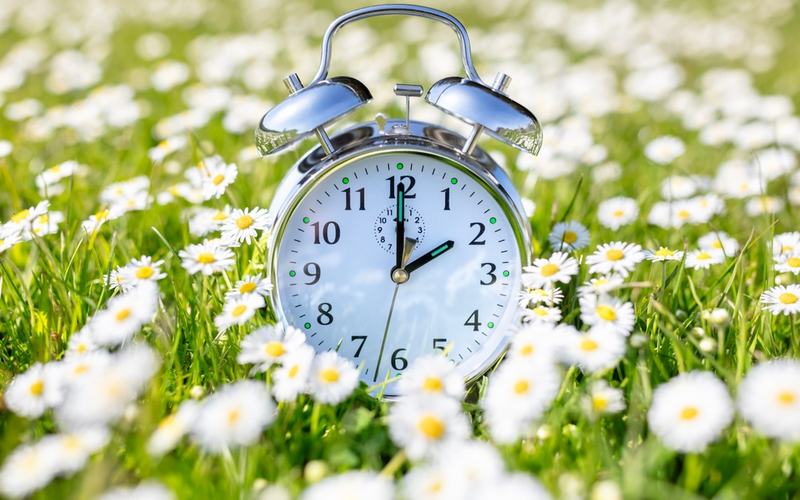
Daylight saving time officially ends Sunday, November 1, as Americans across most of the United States prepare to turn their clocks back one hour and return to standard time.
The change takes effect at 2 a.m. local time, when clocks move backward to 1 a.m. Sunday morning. The adjustment means Americans will gain an extra hour overnight, bringing earlier sunrises and earlier sunsets as the country enters the winter months.
Most smartphones, computers and other internet-connected devices will automatically update, but older clocks, appliances and vehicles may need to be adjusted manually. People are generally advised to turn their clocks back before going to bed Saturday night.
Not every part of the United States observes daylight saving time. Hawaii and most of Arizona remain on standard time throughout the year, while several U.S. territories, including Puerto Rico, Guam and the U.S. Virgin Islands, also do not participate. The Navajo Nation is an exception within Arizona, as it observes daylight saving time.
The return to standard time comes as lawmakers continue debating whether the country should eliminate its twice-yearly clock changes. The House of Representatives passed the Sunshine Protection Act in July by a vote of 308-117, proposing to make daylight saving time permanent.
However, the legislation has not cleared the Senate, leaving the existing federal schedule in place. President Donald Trump has supported making daylight saving time permanent, arguing that Americans would benefit from longer daylight hours in the evening. Senate Majority Leader John Thune has indicated that lawmakers have not reached an agreement on moving the proposal forward.
Supporters of permanent daylight saving time argue that additional evening sunlight would benefit businesses, outdoor recreation and families. Opponents warn that keeping clocks permanently advanced would mean darker winter mornings, potentially affecting children traveling to school, commuters and workers.
The debate also involves competing concerns over sleep and health. Some medical and sleep experts favor permanent standard time because it more closely follows the body's natural circadian rhythm, while critics of the current system argue that switching clocks twice a year disrupts sleep schedules.
For now, Americans will continue following the existing federal schedule. Standard time will remain in effect until Sunday, March 14, 2027, when clocks are scheduled to move forward one hour as daylight saving time returns.
Unless Congress approves a change to federal law, Americans should expect to continue the familiar routine of springing forward and falling back.

Comments
No comments yet. Be the first to share your thoughts.