
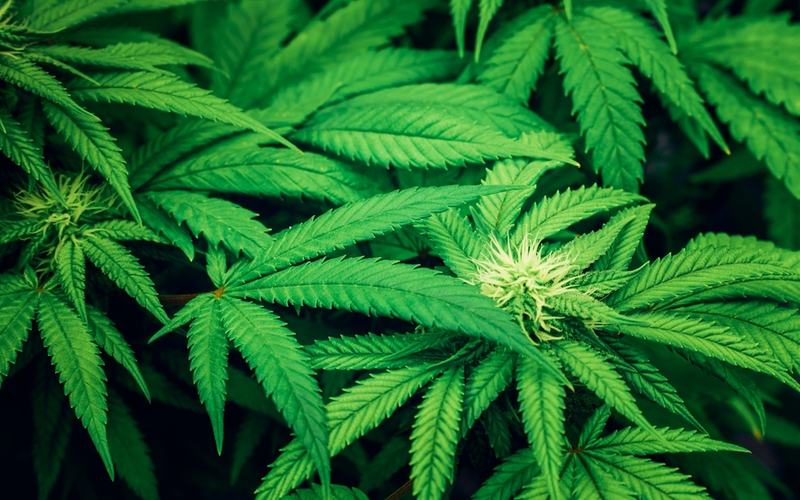
A long-term study conducted by researchers at Northwestern University found that marijuana use is associated with poorer sleep quality, including more frequent nighttime awakenings, fragmented sleep, and longer periods of wakefulness after initially falling asleep.
The study, published October 9 in JAMA Network Open, examined 1,266 adults who were followed for approximately 35 years, beginning in young adulthood and continuing into middle age. Researchers tracked participants' cannabis consumption over time and used wrist-worn monitoring devices to objectively measure their sleep patterns.
The findings challenge the widespread belief that marijuana is an effective sleep aid, particularly among people who regularly use cannabis products to help them fall asleep.
Researchers found that both recent marijuana use and greater lifetime exposure were associated with poorer objectively measured sleep quality. Participants with higher cumulative cannabis use spent a smaller percentage of the night actually sleeping, experienced more fragmented rest, and remained awake longer after initially falling asleep.
Recent users also demonstrated lower sleep efficiency and more nighttime disruptions compared with people who had never used cannabis.
One of the study's more significant findings involved the difference between what participants believed about their sleep and what researchers observed through monitoring devices.
Despite experiencing more nighttime disruptions, cannabis users generally did not report feeling that their sleep was worse than that of nonusers. The findings suggest that marijuana users may not recognize how frequently their sleep is being interrupted.
Researchers accounted for several other factors that can influence sleep, including age, sex, smoking, alcohol consumption, physical activity, depression, and other health conditions. The association between cannabis use and poorer objectively measured sleep remained.
The study was led by researchers affiliated with Northwestern University's Feinberg School of Medicine, including corresponding author Dr. Thanh-Huyen T. Vu and senior author Dr. Mercedes R. Carnethon.
"This study challenges the common belief that cannabis helps people sleep better," Vu said.
The researchers emphasized that the study does not establish that marijuana directly causes sleep problems. Because it was observational, additional research will be necessary to determine the precise relationship between cannabis consumption and sleep disturbances. The study also did not distinguish between different cannabis products or methods of consumption.
Nevertheless, the findings raise questions about the growing use of marijuana as a remedy for sleep difficulties, particularly as cannabis products become more widely available and socially accepted.
The researchers encouraged people experiencing persistent sleep problems to consider established sleep habits, including maintaining consistent bedtimes, limiting screen exposure before bed, and keeping bedrooms cool, dark, and quiet.
The study's findings suggest that falling asleep more easily does not necessarily mean getting better-quality rest, challenging one of the most common arguments for using marijuana as a nighttime sleep aid.

Comments
No comments yet. Be the first to share your thoughts.