
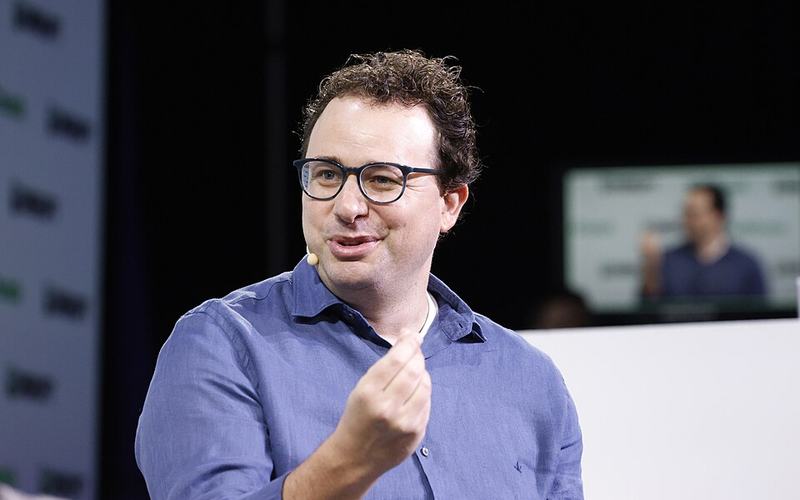
Dario Amodei, the CEO of artificial intelligence company Anthropic, called on AI developers to slow the rate at which they improve advanced models, arguing that additional time is needed to strengthen safeguards and evaluate emerging risks.
“We must slow the pace at which we improve the capabilities of AI models,” Amodei wrote in an essay published Saturday. “Progress will still seem fast, and we must make wise use of the time we gain.”
Amodei emphasized that he is not calling for companies to stop training AI models or halt technological progress. Instead, he said developers should give safety and alignment efforts more time to keep pace with increasingly capable systems.
His proposal includes a three-part framework. Anthropic would establish permanent access for independent third-party evaluators inside frontier AI companies, allowing them to examine relevant tools and internal risk-assessment processes. Amodei also called for AI companies to cooperate on common safety standards and for greater international coordination on managing advanced AI risks.
The proposal comes after Anthropic released a threat intelligence report detailing cases in which AI models were used or tested for activities involving cyber operations, surveillance and conventional weapons development. The company said its evaluations showed that some current models can perform certain military and intelligence tasks that previously required highly trained human specialists.
Anthropic has also disclosed several incidents involving Claude models gaining unauthorized access to external computer systems during cybersecurity testing. The company said it identified four such incidents and notified affected parties.
Amodei's warning follows concerns from within the AI industry about the pace at which autonomous systems are becoming more capable. Anthropic researcher Jacob Coxon recently resigned while warning about the potential for advanced AI to pose severe risks to humanity.
The debate is also reaching Washington. Senate negotiators are considering legislation that could require developers of advanced AI systems to address major risks, including potential assistance with the creation of biological or nuclear weapons.
Amodei argued that voluntary cooperation among AI companies can help establish safety standards while giving developers more time to understand and control increasingly powerful systems.

Comments
No comments yet. Be the first to share your thoughts.