
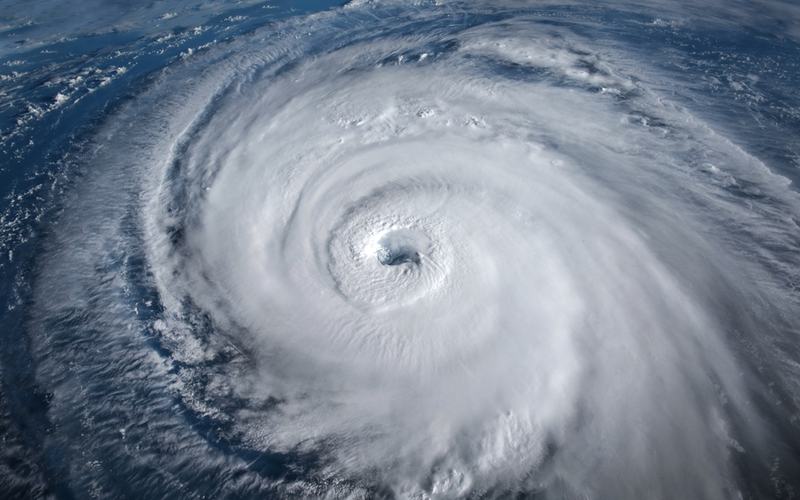
The 2026 Atlantic hurricane season has reached a new milestone for quietness, with no hurricanes recorded through the statistical peak and into mid-September. As of today, the basin has produced only five named tropical storms, all of which remained below hurricane strength.
This marks the first time since the satellite era began in 1966 that the Atlantic has gone beyond September 11 without a hurricane. The previous record for the latest first hurricane was set in 2002 and 2013, when the initial storms reached that intensity on September 11.
Meteorologists attribute the prolonged calm to a powerful El Niño pattern, which has created unfavorable conditions for storm development across much of the basin. Accumulated Cyclone Energy, a measure of overall activity, stands at just 4.4 units compared to a typical 60.5 units by this date.
The five storms to date—Arthur, Bertha, Cristobal, Dolly, and Edouard—were short-lived and produced limited impacts. None intensified into a hurricane, defined as sustained winds of at least 74 mph. The National Hurricane Center reports no tropical cyclone formation expected over the next seven days.
Forecasters note that seasons can still produce late activity, though experts consider a completely hurricane-free year unlikely based on historical patterns. A typical season sees 14 named storms and seven hurricanes.
NOAA's preseason outlook called for a below-normal season with three to six hurricanes, a prediction that has held so far amid the strong El Niño influence. Activity remains well below average even as the peak period concludes.
Residents along the Atlantic and Gulf coasts are reminded that a single late-season storm can still bring significant impacts, and preparation remains essential regardless of the current lull.

Comments
No comments yet. Be the first to share your thoughts.