
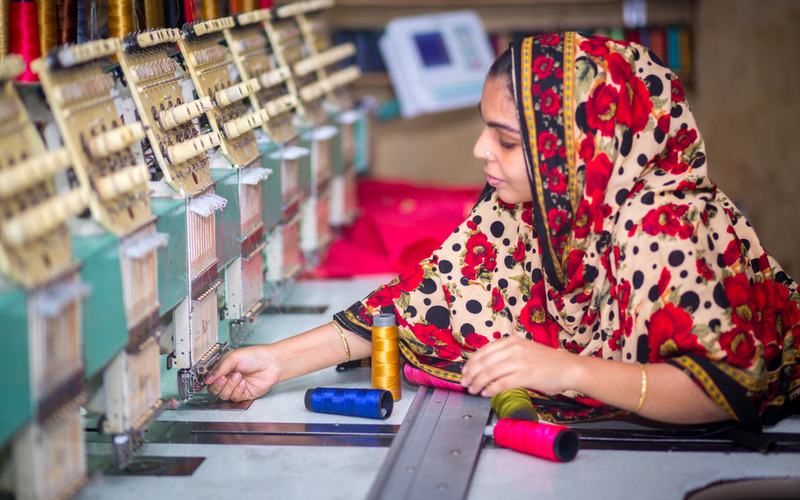
Bangladesh's garment industry wage board approved a 36 percent minimum wage increase for workers on Wednesday, raising pay to 17,000 taka, or about $138, per month from the current 12,500 taka.
The decision followed nearly 12 hours of negotiations and came in a 4-2 vote by the six-member board. Worker representatives had pushed for 18,000 taka after initially demanding 30,000 to 32,000 taka. Factory owners had offered 15,000 taka before raising it to 17,000.
The hike represents the smallest percentage increase for the sector since 1986. Wages will range from 17,000 taka for the lowest grade to 21,500 taka for the highest under the new four-grade structure. The changes take effect December 1, with workers receiving the new rates in January.
Protests that began in late October shut down hundreds of factories, blocked highways, and led to clashes with police in industrial areas near Dhaka. The Bangladesh Garment Manufacturers and Exporters Association estimated losses of $428 million from the unrest, with orders worth $254 million moving to other countries.
The garment sector employs more than 4 million people and accounts for over 80 percent of Bangladesh's export earnings, generating roughly $38 billion annually. Major buyers include H&M, Zara, Walmart, Target, and Gap.
Workers have cited rising costs for food, housing, transport, and healthcare as reasons for seeking higher pay. The previous wage adjustment in 2023 raised the minimum by 56 percent.
Industry officials noted the protests occurred ahead of the peak Christmas production season. The wage board chairman said the outcome balanced competing demands in a vote that included two worker and two employer representatives.

Comments
No comments yet. Be the first to share your thoughts.