
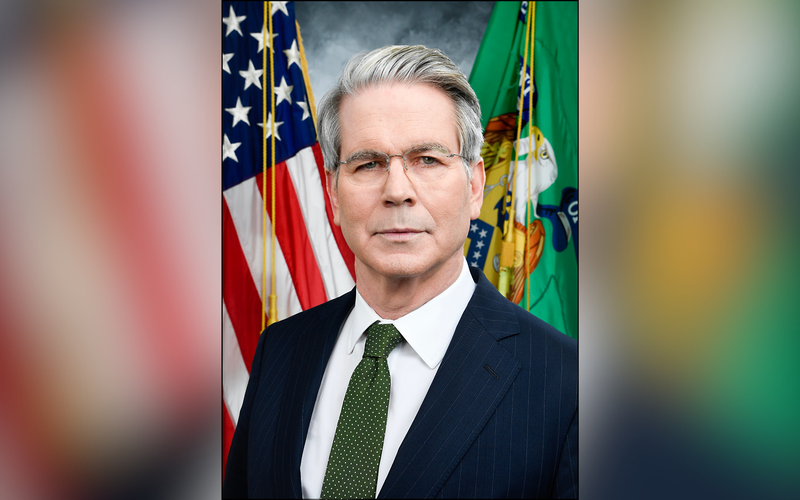
U.S. Treasury Secretary Scott Bessent opened meetings with G20 finance ministers and central bank governors on Monday in Asheville, North Carolina, aiming to secure broader support for severing remaining economic ties with Iran.
The two-day gathering under the U.S. G20 presidency focuses on economic growth, reducing global imbalances, addressing sovereign debt, and building resilient supply chains. Bessent has placed Iran sanctions at the forefront of bilateral discussions, warning that continued business with Tehran risks secondary U.S. sanctions and exclusion from the dollar-based financial system.
The push comes as part of the administration's "Operation Economic Outcast" campaign launched earlier this month. Treasury officials have mapped Iranian oil smuggling networks and targeted sectors including digital assets, technology, gold, aviation, and shipping. Bessent told The Associated Press that the United States is prepared to impose "financial violence" if necessary to enforce compliance.
The effort faces headwinds from strained relations with allies over U.S. tariffs. Trade friction with Canada has escalated following a breakdown in negotiations, and broader tariff measures have disrupted ties with other partners. Analysts noted that these tensions may complicate efforts to rally traditional allies.
The ongoing conflict with Iran, now past its six-month mark, has kept the Strait of Hormuz closed and contributed to elevated energy prices. Bessent has urged G20 members to cut purchases of Iranian oil, with particular attention on China as the largest buyer. He stated that "all options are on the table" regarding potential sanctions on Beijing and rejected suggestions of reluctance to confront major trading partners.
Bessent also seeks G20 backing to shrink global trade imbalances, citing China's $1.2 trillion surplus as unsustainable. U.S. tariffs have already narrowed the bilateral deficit with China by roughly one-third in the first half of 2026.
The meetings mark the first time the United States has hosted G20 finance talks since shunning the process last year. Officials described the agenda as returning the forum to core economic issues rather than geopolitical disputes, though Iran sanctions are expected to dominate private conversations.
Bessent cited Asheville's recovery from Hurricane Helene as a symbol of resilience and growth potential. The city, which suffered extensive damage in 2024, serves as the backdrop for discussions on deregulation, energy production, and private investment.
No collective G20 statement on Iran is anticipated given the diverse membership that includes China and Russia. Bessent plans to continue the pressure through individual meetings and follow-up actions, including additional sanctions on financial institutions linked to Iran.

Comments
No comments yet. Be the first to share your thoughts.