
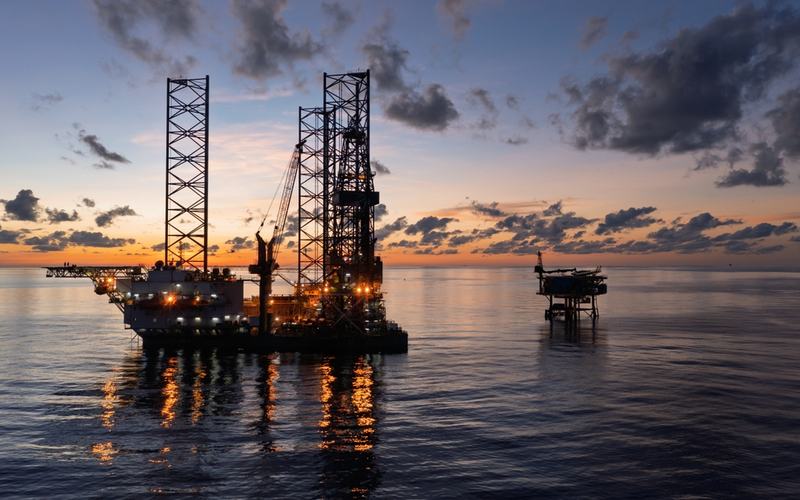
The British government approved development of the Jackdaw natural gas field in the North Sea on Wednesday, overriding environmental opposition and arguing that domestic production will help protect the country from disruptions to international energy supplies.
Located east of Aberdeen, Scotland, the field is expected to begin delivering gas into the U.K. network as early as the end of October. The project had been delayed by a court ruling in 2025 that found its original approval unlawful because officials had failed to account for emissions produced when the extracted gas was eventually burned.
Prime Minister Andy Burnham defended the decision, saying it would “protect hundreds of jobs and help keep millions of homes warm this winter.” He argued that Britain should make use of its existing energy resources while households continue to face financial pressures.
Burnham also maintained that the government remains committed to expanding renewable energy and achieving net-zero emissions by 2050, despite its decision to approve additional fossil fuel production.
The Jackdaw project has attracted international attention, with President Donald Trump among those urging Britain to approve new North Sea oil and gas developments. Trump welcomed Wednesday’s announcement in a post on Truth Social.
“The U.K. has started drilling in the North Sea, one of the greatest and most prosperous areas of OIL in the World. They should go FULL BLAST,” Trump wrote.
Supporters of the project argue that Britain will continue to depend on natural gas and oil to heat homes and power industry while expanding alternative energy sources, including wind and nuclear power. They contend that relying on domestic supplies can reduce exposure to geopolitical disruptions and the risks associated with importing energy from abroad.
The British government said Jackdaw would make a “small but meaningful” contribution to national energy security, accounting for approximately 6% of U.K. gas production over the project's anticipated 11-year lifespan.
Officials acknowledged, however, that the additional output would not eliminate Britain's dependence on imported gas or directly lower consumer prices, which are influenced by international markets. The government has cited conflicts involving Iran and Russia's war against Ukraine as examples of geopolitical developments that can threaten energy supplies.
Environmental organizations and some members of the governing Labour Party have criticized the approval, arguing that expanding fossil fuel production conflicts with Britain's climate commitments. Opponents also question whether the project will deliver substantial economic benefits to the public.
“The truth is that this decision will only support a tiny number of jobs, do nothing to lower prices, barely move the needle on growth, and undermine the U.K.'s climate leadership,” said Kate Norgrove, chief impact officer of WWF-UK.
Jackdaw was initially approved in 2022 under a Conservative-led government, but legal challenges halted the project. In 2025, the Court of Session in Edinburgh ruled that approvals for both Jackdaw and the proposed Rosebank oil field were unlawful because officials had not properly considered the emissions generated by burning the extracted fuels when evaluating their environmental impact.
Following a new review, Energy Secretary Miatta Fahnbulleh approved Jackdaw on Wednesday. She said the decision would support energy security by providing domestically produced gas while potentially reducing the need for imported fuels with higher emissions.
Fahnbulleh also reiterated the government's commitment to reaching net zero by 2050 and ending the issuance of new oil and gas licenses, underscoring the tension between its climate objectives and its immediate energy needs.
Both Jackdaw and Rosebank are being developed by Adura, a joint venture between British energy company Shell and Norwegian energy company Equinor. While Jackdaw is expected to begin production this winter, the government has not yet ruled on Rosebank, located west of the Shetland Islands and expected to produce primarily crude oil.
Adura Chief Executive Neil McCulloch said the Jackdaw decision was urgent because the project was ready to begin operating. Rosebank, by contrast, is not expected to start production until next year, giving officials more time to reach a decision.
“We anticipate that the decision will be made positively, and we continue with development of the field,” McCulloch told the BBC.
The Jackdaw approval highlights Britain's continuing struggle to balance energy security, household costs and climate policy. The government is pursuing a transition away from fossil fuels while allowing a project it says can provide a near-term contribution to domestic gas supplies. Whether Rosebank receives similar approval remains an important test of how that balance will shape Britain's future energy production.

Comments
No comments yet. Be the first to share your thoughts.