
The U.S. State Department has raised its travel advisory for Kenya from Level 2, “Exercise Increased Caution,” to Level 3, “Reconsider Travel,” urging Americans to reconsider trips to the popular African tourism destination amid a range of health and security threats.
The updated warning, issued earlier this week, cites Ebola concerns, terrorism, kidnapping, violent crime, civil unrest, and dangerous road conditions. The department also issued unusually stark guidance urging Americans to prepare for the possibility of a serious emergency while abroad.
“Prepare a will,” the advisory states. It also recommends that travelers “establish a proof of life protocol with your loved ones.”
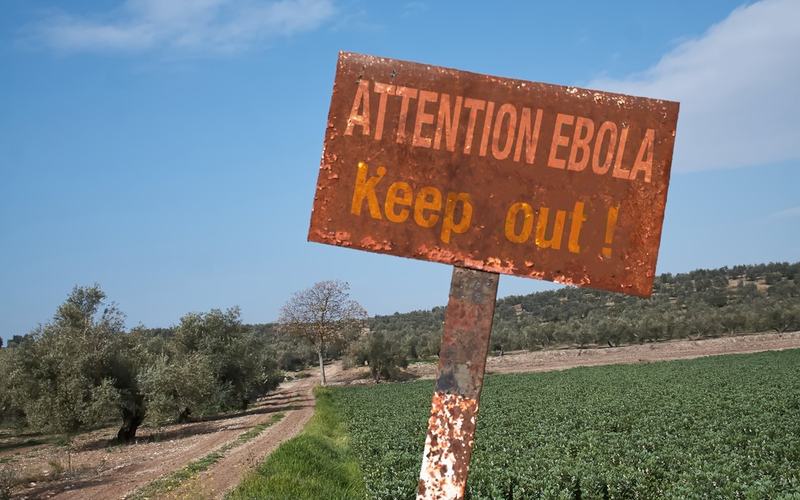
The heightened warning comes as Kenya responds to confirmed cases of the Bundibugyo strain of Ebola linked to an outbreak in neighboring countries. Kenya reported its first imported case in early October, followed by additional infections among people connected to the initial patient.
Beyond the public health concerns, the State Department identified specific locations where Americans should avoid traveling because of heightened risks of terrorism, kidnapping, crime, and unrest.
In Nairobi, the advisory warns Americans not to travel to the Eastleigh and Kibera areas. Officials also identified several counties and coastal areas as particularly dangerous because of kidnapping and terrorism threats. Parts of Marsabit and Turkana counties within 30 miles of the Ethiopian border were also designated as areas to avoid due to unrest.
The department cautioned that violent crime can occur at any time throughout Kenya, while theft and other petty crimes remain common. Solo travelers face additional risks, including reported sexual assaults at bars, resorts and hotels.
“Local police often are unable to respond effectively to crimes,” the advisory warns, raising further concerns about the assistance travelers might receive if they become victims of criminal activity.
Financial fraud is another risk for Americans visiting or conducting business in the country. The State Department reported that U.S. citizens have been targeted in investment scams involving gold and other valuable commodities. Victims may have difficulty recovering their money, particularly when local authorities are unable to provide effective assistance.
Property disputes can also result in substantial losses. Americans who purchase land, churches or businesses in Kenya have sometimes lost their investments or been forced off properties by individuals claiming ownership.
Medical care presents another potential problem, particularly in areas outside major cities. According to the advisory, many medical facilities lack essential medicines and equipment, and travelers suffering serious illnesses or injuries may require expensive medical evacuations.
“Medical facilities will usually deny service if payment is not made upfront,” the department warned, underscoring the importance of having adequate travel insurance and financial resources before visiting.
The advisory also highlights the danger posed by demonstrations and civil unrest. Officials noted previous attacks on vehicles carrying Americans, including safari vehicles and motorcycle taxis. Travelers are urged to avoid protests and large crowds, maintain a low profile, and remain vigilant in tourist areas.
Despite the warnings, Kenya remains a major international tourism destination, drawing visitors with its wildlife safaris, expansive savannas and renowned national parks. Government tourism figures cited by the New York Post indicate that the country attracted approximately 2.7 million international visitors in 2025, with travelers from the Americas accounting for 14% of arrivals.
The new Level 3 designation does not constitute a blanket prohibition on travel to Kenya, but it signals that the U.S. government considers the risks serious enough for Americans to reconsider their plans. Travelers who proceed are urged to review the advisory carefully, avoid designated high-risk areas and prepare for potential medical, security, and logistical emergencies.

Comments
No comments yet. Be the first to share your thoughts.