
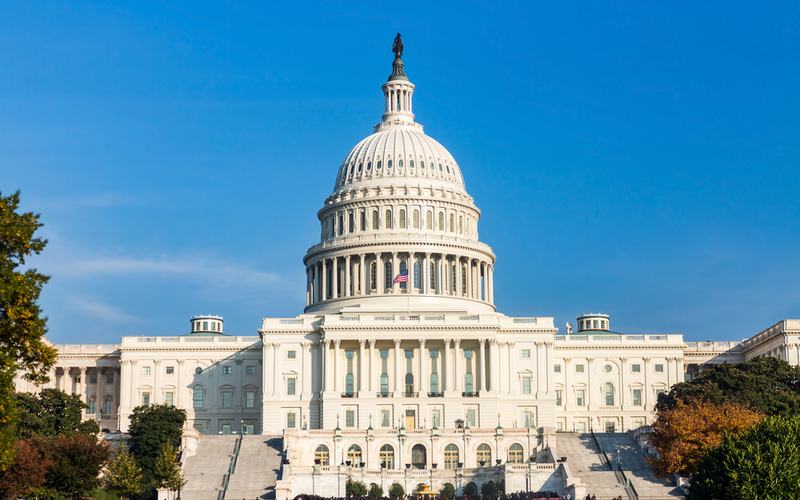
Congress returned to session Monday with federal funding set to lapse in just over a month, putting pressure on Republican leaders in the lame-duck period to pass another stopgap measure.
The current continuing resolution, enacted as H.R. 6500 and signed by President Trump on September 2, keeps agencies funded through December 11 at fiscal 2026 levels. Without new legislation, a government shutdown would begin December 12.
Democrats gained control of both chambers in the November 3 midterm elections, but Republicans retain power until the new Congress convenes January 3. This gives the GOP a final opportunity to advance priorities such as the National Defense Authorization Act and a farm bill before Democrats assume leadership.
The House calendar shows only 16 session days between now and the deadline, according to Majority Leader Steve Scalise's schedule. Lawmakers reconvened November 9 through 12, followed by sessions November 17-20, November 30-December 3, and December 8-11.
Full-year appropriations bills totaling around $1.9 trillion remain unfinished, making another continuing resolution the most probable path forward. A short-term extension would push decisions into the next Congress, where Democrats would negotiate with the Trump administration.
The stopgap also extends highway and transit funding, the Defense Production Act, and other authorities. Lawmakers have noted the need to avoid a lapse that would force federal employees off the job and disrupt services.
Senate Republicans plan to focus on confirming nominees in the remaining weeks, while both parties weigh additional measures including permitting reform and rules for college athletics. The tight timeline leaves little room for major new spending fights before the December 11 cutoff.

Comments
No comments yet. Be the first to share your thoughts.