
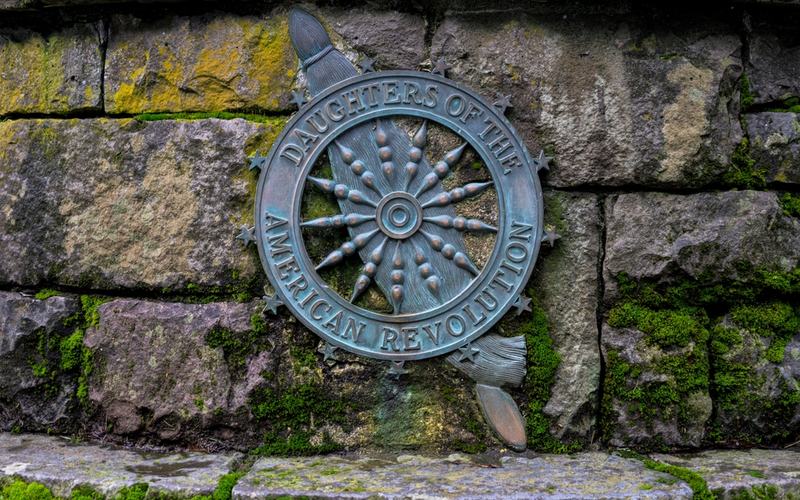
The Daughters of the American Revolution (DAR) has dissolved its Martha Laird Chapter in Texas following a dispute involving transgender membership and the chapter’s role in an outside advocacy group pushing for changes to the organization’s rules.
The National Board of Management voted on October 10 to disband the chapter, according to a statement from the national organization. DAR Organizing Secretary General Marguerite Hogan Fritsch also informed the chapter of the decision in a letter citing Article XIX, Section 4 of the organization’s bylaws.
The national organization maintained that the decision was based on how chapter leadership used its authority and resources, rather than the members’ position on transgender eligibility.
“The Board determined that it was this use of chapter authority and resources, not the views being advocated, that constituted conduct discrediting the National Society under Article XIX, Section 4 of the National Bylaws,” the organization said.
DAR further stated that the decision was not based on members’ efforts to change national membership rules or their right to advocate for changes in the organization’s governance.
The dispute centered on whether membership in the lineage-based women’s organization should be restricted to biological females. Members who wanted that restriction formed a group called Daughters Advocating Restoration, arguing that the organization’s approach to gender identity conflicted with its emphasis on biological ancestry.
Amy Van Riper, writing on the group’s website, questioned why DAR applies biological standards when verifying family lineage but does not apply the same principle to sex-based membership eligibility.
“DAR enforces biological truth for lineage… but relies on legal fiction for sex,” Van Riper wrote.
DAR membership requires applicants to document their descent from an ancestor who supported the American cause during the Revolutionary War. Van Riper argued that an organization built around biological ancestry should apply consistent standards when determining eligibility for a society founded for women.
“You can’t enforce biological reality for ancestry and then ignore biological reality for sex,” she wrote. “It’s one standard or the other… otherwise the system has no integrity.”
Laura McDonald, a member of the Texas chapter, similarly criticized the organization’s approach to transgender membership in comments reported by Fox News. She argued that allowing biological males who identify as women to qualify for membership creates an inconsistent standard for determining who is eligible to join.
The controversy has also reached Congress. Rep. Ben Cline, a Republican from Virginia, introduced legislation intended to amend the congressional charter governing DAR to restrict membership to biological females.
“Rather than honoring and preserving a lineage-based organization for women, it has embraced radical gender ideology at the expense of the women it was created to serve,” Cline said.
Despite the chapter’s dissolution, individual members will retain their DAR memberships and may join other chapters if they choose, according to Fox News. The national organization’s action therefore disbanded the local chapter rather than expelling its members individually.
The dispute highlights a broader debate over how longstanding organizations define membership when questions of sex and gender identity conflict with traditional eligibility rules. While the national DAR says its action concerned the use of chapter authority and resources, members of Daughters Advocating Restoration argue that the underlying controversy reflects a deeper disagreement over the organization’s identity and its original purpose as a lineage-based society for women.

Comments
No comments yet. Be the first to share your thoughts.