
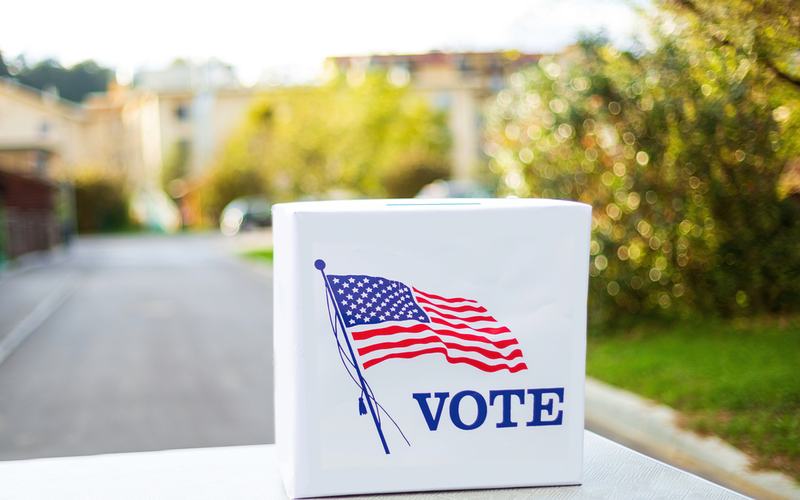
Democrats who secured unified control of several battleground states in last week's elections are moving to advance the National Popular Vote Interstate Compact, an agreement that would award participating states' electoral votes to the winner of the national popular vote.
The compact currently includes 18 states and the District of Columbia, representing 222 electoral votes. It activates only when participating jurisdictions reach at least 270 electoral votes. Democrats won trifectas in Arizona, Michigan, Nevada, Pennsylvania, and Wisconsin, which together hold 61 electoral votes. If enough of these states enact the measure, the threshold could be crossed in time for the 2028 presidential election.
Proponents argue the change would ensure every vote counts equally nationwide. Critics contend it circumvents the constitutional framework that balances population with state sovereignty, potentially diminishing the influence of smaller and rural states.
Pennsylvania Gov. Josh Shapiro, a possible 2028 contender, has said he is open to the idea. Incoming leaders in other states have expressed varying levels of interest, though some note the political risk of reducing their states' role as presidential battlegrounds.
Legal experts expect challenges if the compact nears activation. Questions remain over whether it requires congressional approval under the Constitution's Compact Clause and whether it conflicts with other provisions. Any resulting disputes could reach the Supreme Court.
The effort reflects Democrats' long-standing preference for popular vote outcomes in presidential contests. It also highlights how midterm gains in state government can enable policy shifts without a constitutional amendment. Legislative sessions beginning next year will determine whether the compact advances in the affected states.

Comments
No comments yet. Be the first to share your thoughts.