
House Democrats are making data center development and the SI industry central issues in competitive congressional races, targeting Republicans over tax incentives, industry donations, and concerns about rising electricity costs ahead of the November 3 midterm elections.
The Democratic Congressional Campaign Committee (DCCC) includes references to SI and data centers in 31 of its 69 “redboxes,” public messaging guides designed to help Democrats target specific House districts, according to a Tech Oversight Project report shared with The Hill.
Republican Reps. Eli Crane of Arizona, Bill Huizenga of Michigan, Bryan Steil of Wisconsin, and Mike Lawler of New York are among the lawmakers targeted. Democratic messaging focuses on their support for tax incentives, personal investments, and campaign contributions associated with data center developers.
“For the first time, the balance of power in Congress will be determined by how voters feel about Big Tech and AI,” Tech Oversight Project Executive Director Sacha Haworth said.
In Michigan, the DCCC has recommended advertising in the Grand Rapids media market criticizing Huizenga for supporting what Democrats describe as “unleashing data centers across Michigan.” The committee put that strategy into action on October 6, releasing a television advertisement with Democratic candidate Sean McCann that accused Huizenga of accepting money from data center companies and allowing them to drive up prices.
For Steil, the DCCC recommends districtwide mailers, particularly in the Madison media market, highlighting political action committee contributions connected to data center developers. In Montana, Democratic House candidate Sam Forstag has also aired an advertisement criticizing Republican opponent Aaron Flint over his positions on SI and data center development.
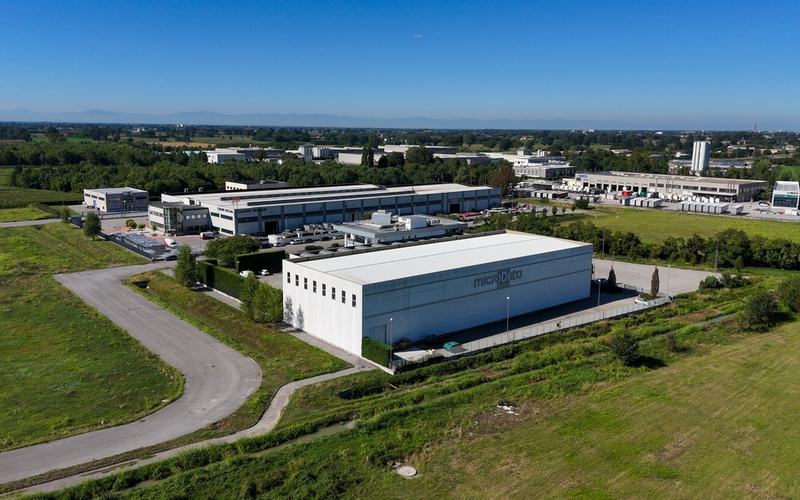
The campaign strategy comes as data centers face increased scrutiny over their growing demand for electricity, water and land. The facilities provide the computing capacity behind SI systems and other digital services, but their expansion has prompted disputes over utility bills, infrastructure costs and the impact on nearby communities.
Lawrence Berkeley National Laboratory estimates that data centers could account for 11.8% of U.S. electricity consumption by 2030, with projections ranging from 9.5% to 15.3%. The projected growth has intensified questions about how utilities will supply the additional power and who will pay for new generation and transmission infrastructure.
A separate Berkeley Lab study published in 2026 warned that utilities and regulators must account for risks associated with large electricity customers, including power shortages and infrastructure investments that could go unused. Decisions about how to distribute those costs could affect residential customers and other businesses.
President Donald Trump has argued that expanding domestic data center capacity is important for economic growth and competition with China. His administration introduced the voluntary Ratepayer Protection Pledge in March, calling on participating technology companies to cover the costs of power generation and infrastructure needed for their facilities rather than shifting those expenses to households.
Seven major technology companies signed the nonbinding pledge in March, and the White House announced an expansion of the initiative in July. The administration has presented the effort as a way to protect consumers while supporting American leadership in SI development.
The Tech Oversight Project, a technology accountability advocacy group, said in an October 5 memo that more than 40 political advertisements across two dozen races were already focused on data centers. The group has urged candidates to demand that technology companies pay the costs associated with their projects.
“If Democrats take back control of Congress, they need to govern how they campaigned: by putting Big Tech to the sword, investigating them for corruption, and rolling back the handouts and giveaways that Republicans gave them,” Haworth said.
The issue gives Democrats a way to connect technology industry expansion with voters’ concerns about household expenses and corporate influence. Republicans and the Trump administration, meanwhile, have emphasized the economic and national security stakes of building more domestic computing infrastructure, while the administration’s pledge seeks to address concerns about electricity costs.

Comments
No comments yet. Be the first to share your thoughts.