
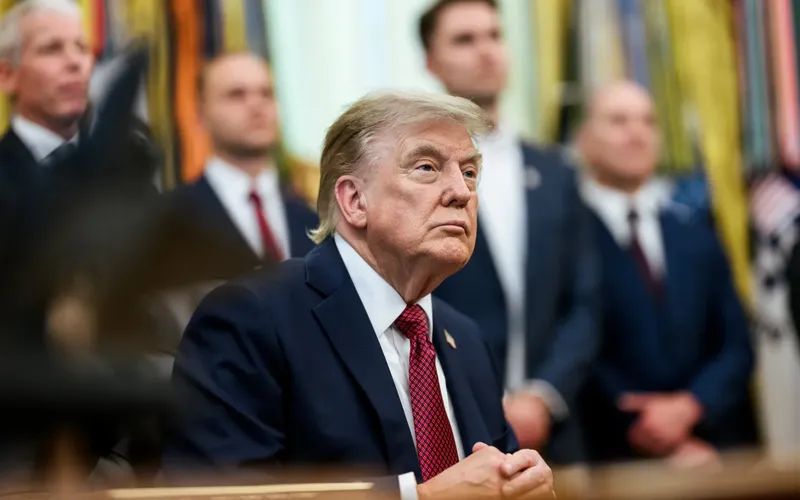
Democrats in Congress are evaluating options to advance a reconciliation bill this month despite repeated warnings from President Trump that he will veto the measure if it reaches his desk.
The effort comes as lawmakers return to Washington following the midterm elections. Reconciliation allows certain budget-related legislation to pass the Senate with a simple majority, bypassing the filibuster. However, the process does not shield bills from a presidential veto.
Trump administration officials have signaled strong opposition to the Democratic priorities included in the draft package. Those priorities reportedly center on expanded social spending and regulatory changes. White House statements have described the proposals as fiscally irresponsible and out of step with voter mandates from the 2024 election.
Republican leaders in both chambers have dismissed the reconciliation push as a partisan exercise unlikely to become law. They note that any final bill would still require Trump's signature or enough votes to override a veto, a high bar given current margins.
Democrats argue the reconciliation route remains necessary to address key domestic programs before the end of the year. Party leaders have not released detailed legislative text, but internal discussions reportedly focus on healthcare subsidies and climate-related provisions.
The White House has not ruled out negotiations on narrower measures but has drawn firm lines against large-scale new spending. Analysts expect the process to extend into December if Democrats proceed with a formal budget resolution.
No vote on the reconciliation package is scheduled for this week. Congressional sources on both sides described the current talks as preliminary.

Comments
No comments yet. Be the first to share your thoughts.