
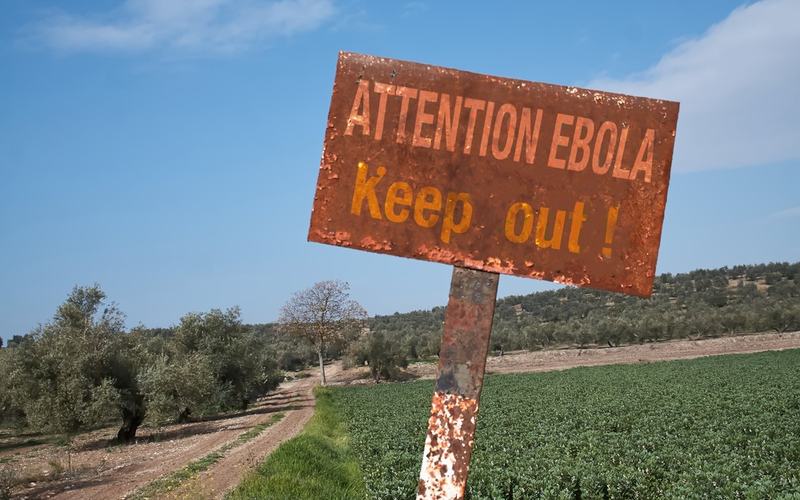
The Ebola outbreak in the Democratic Republic of the Congo (DRC) has reached North Ubangi province, which borders the Central African Republic, as the epidemic surpasses 9,000 confirmed cases and 4,000 deaths, according to reports published Thursday. The development marks the eighth Congolese province affected by the outbreak, which began in mid-May.
Two cases have been confirmed in North Ubangi, according to two health officials cited by Reuters, although Congolese authorities had not publicly announced the cases as of Thursday. Health officials began investigating after a series of suspected deaths in a mining area in the Wapinda health zone prompted laboratory testing.
The outbreak is caused by the Bundibugyo strain of Ebola, a variant for which there is currently no approved vaccine or specific treatment. The disease has spread across multiple provinces, with Ituri remaining the epicenter and North Kivu also experiencing a recent increase in infections.
The outbreak has also crossed international borders. Uganda, which declared its outbreak over in August, has reported cases connected to the broader epidemic. Kenya confirmed an imported case earlier this month and subsequently reported a second infection involving a close relative of the first patient, who died on October 5.
Health authorities face significant obstacles in containing the virus, including insecurity, population movement and difficulties reaching affected communities. The World Health Organization has warned that continued transmission across multiple areas makes surveillance, contact tracing and cross-border coordination critical to the response.
The growing death toll underscores the severity of the outbreak. Data reported by European public health officials showed that, as of October 13, the DRC had recorded 9,144 confirmed cases and 4,410 deaths, although figures remain subject to review as health authorities continue tracking infections and fatalities.
With the virus reaching another province near an international border, health officials face mounting pressure to identify infections quickly, monitor exposed individuals, and prevent further spread across Central Africa.

Comments
No comments yet. Be the first to share your thoughts.