
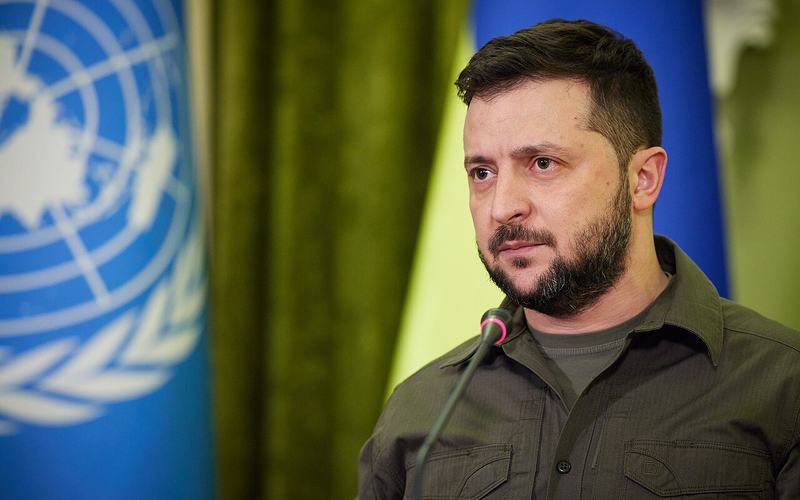
Ukrainian President Volodymyr Zelenskyy asked European Union leaders on Friday for an additional €70 billion in support for 2027 to fund defense, weapons, and national resilience.
Speaking at an EU summit in Brussels, Zelenskyy stated that the war would cost Ukraine €155 billion next year. He described the €70 billion request as a realistic amount and urged partners to provide it to help counter Russia.
This appeal follows a €90 billion EU loan package approved earlier for Ukraine covering 2026 and 2027. Since 2022, the EU and its member states have already provided €231.5 billion in overall support to Ukraine, including €3.8 billion from the proceeds of frozen Russian assets. The largest share comes from the EU budget at €117.3 billion, with additional military aid of €77.9 billion and other components.
The new request highlights a significant funding gap, as the bloc has already disbursed substantial sums and called on other allies to contribute more. A recent €2.86 billion disbursement under the defense component of the loan went toward drones, air defense systems, missiles, radars, electronic warfare equipment, and ammunition.
Zelenskyy also sought 300 Patriot interceptors to address ballistic missile threats and stressed the need for increased drone production, which he said Ukraine could scale up two or three times with additional resources. He tied the funding to broader European security interests.
EU leaders, including German Chancellor Friedrich Merz, acknowledged the need for continued support but face their own budgetary pressures. Discussions on the bloc's long-term budget for 2028-2034 remain unresolved, with Ukraine's needs adding to the complexity.
The request comes amid shifting U.S. policy under the Trump administration, which has reduced direct involvement and pursued separate energy arrangements with Russia. Zelenskyy expressed concerns over these developments, including restrictions on Starlink services that affect Ukrainian operations.
Ukraine's finance ministry previously estimated shortfalls in both economic and defense support. European taxpayers now confront mounting demands as the conflict enters another year without a clear resolution.

Comments
No comments yet. Be the first to share your thoughts.