
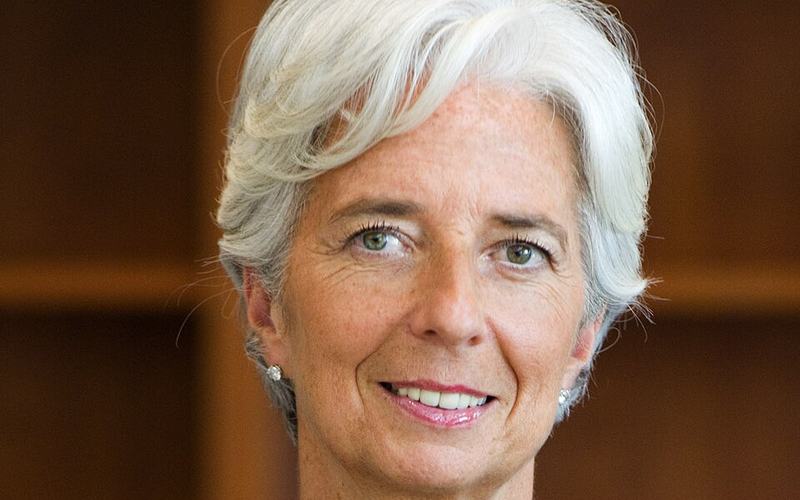
European Central Bank President Christine Lagarde will step down on Feb. 7, 2027, roughly nine months before her scheduled departure, setting off a high-level selection process for one of the European Union’s most influential economic positions.
The ECB confirmed Thursday that Lagarde, 70, will leave before the end of her eight-year term, which was scheduled to expire on Oct. 31, 2027. Her successor will lead the bank responsible for setting interest rates across the 21 countries that use the euro, influencing mortgage rates, business investment and borrowing costs throughout the currency bloc.
Lagarde described her tenure as a privilege in a video message posted on X, saying she believed she would leave the institution having done good work and with the ECB prepared for the future.
Her early exit had been anticipated amid speculation that European leaders wanted to appoint a successor while French President Emmanuel Macron remains in office. France is scheduled to hold its next presidential election in April and May 2027, and the timing could become politically significant if right-wing candidate Marine Le Pen wins. An early appointment would allow Macron to participate in the selection process before leaving office.
Holger Schmieding, chief economist at Berenberg bank, said Lagarde’s early departure was not surprising and would not change expectations for ECB monetary policy. He argued that the move would help the European Union reduce the risk of having to make the appointment under a different French administration.
European Council President Antonio Costa said the selection process would begin immediately and proceed without delay.
The leadership changes extend beyond Lagarde. ECB chief economist Philip Lane’s term is scheduled to end May 31, 2027, while executive board member Isabel Schnabel is set to leave Jan. 3 to take a position at the International Monetary Fund. European leaders are expected to negotiate a broader package of appointments, balancing national interests as they fill all three vacancies.
Schmieding said EU leaders could seek an agreement before a Dec. 17-18 summit. Potential candidates to replace Lagarde include former Dutch central bank chief Klaas Knot and Pablo Hernández de Cos, the former governor of Spain’s central bank who now serves as general manager of the Bank for International Settlements, an international organization of central banks.
Lagarde, who previously led the International Monetary Fund, took over the ECB presidency in 2019, succeeding Mario Draghi. One of the defining economic decisions during her tenure came in 2020, when the ECB launched a 1.35 trillion-euro emergency bond-buying program, worth approximately $1.5 trillion, to support credit markets during the COVID-19 pandemic.
The ECB has played a central role in responding to financial crises across Europe, in part because it can act more quickly than the European Union’s 27 national governments, which often face lengthy negotiations. During the eurozone debt crisis, Draghi’s 2012 pledge to do “whatever it takes to preserve the euro” helped calm financial markets amid fears the currency union could unravel.
The next president will inherit responsibility for monetary policy across the eurozone while navigating economic uncertainty and political negotiations among EU member states.

Comments
No comments yet. Be the first to share your thoughts.