
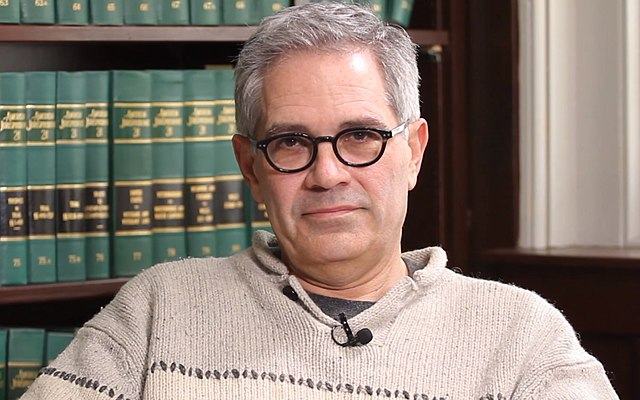
A federal grand jury has issued subpoenas to the office of Philadelphia District Attorney Larry Krasner as part of an investigation into potential obstruction of justice involving cases before federal judges. The investigation follows concerns raised by U.S. District Court Judge Paul S. Diamond about how Krasner and members of his office handled a legal challenge to a man’s murder conviction.
The case has drawn attention to internal disputes within the Philadelphia District Attorney’s Office and allegations that senior officials sought to influence how the office presented information to the court. Diamond previously urged federal prosecutors to review testimony and determine whether conduct inside the office may have crossed legal boundaries.
The controversy centers on former Assistant District Attorney Jaclyn Mason, who initially handled the case involving the effort to overturn the murder conviction. After supervisors criticized a brief she filed as containing errors, Mason resigned and alleged that former supervisor Matthew Stiegler had pressured her to submit a flawed filing.
According to testimony described in media reports, supervisors alleged that Stiegler wanted to portray Mason as an error-prone “rogue” prosecutor and that Krasner called the proposed approach a “really good idea.” Other supervisors reportedly rejected the plan, raising concerns about how the office intended to respond to the court proceedings.
The dispute arose from proceedings involving Dennis Johnson, who has been challenging his 2009 second-degree murder conviction. During the case, Krasner’s office initially supported allowing Johnson to pursue relief, but disagreements emerged over how prosecutors should address the matter and whether potential conflicts of interest required outside involvement.
Judge Diamond’s review raised serious concerns about the conduct of Krasner and his top assistant, Matthew Stiegler. According to testimony described in court records, supervisors alleged that Krasner wanted the office to maintain a particular account of events rather than acknowledge problems with its handling of the case. Diamond wrote that Krasner appeared to want the district attorney’s office to submit a false narrative to the court.
The judge also questioned whether officials had attempted to discourage employees from disclosing internal disagreements. According to the testimony, Krasner wanted to avoid outside involvement to “protect the office” and “control the proceedings,” while employees were allegedly warned there could be “consequences” if they revealed what had happened. Diamond said Stiegler’s testimony was at times contradictory and potentially dishonest, raising concerns about possible perjury.
Krasner has rejected Diamond’s conclusions, accusing the judge of drawing unfair and biased inferences about the district attorney’s office. He has said he intends to challenge the judge’s findings. Neither Krasner nor Stiegler had been charged with a crime in connection with the matter as of Tuesday, and the grand jury investigation remains ongoing.
The investigation is also drawing attention to the political financing behind Krasner’s rise to office. His initial campaign received approximately $1.7 million in support from spending associated with billionaire George Soros, a major Democratic donor who has financed progressive prosecutors across the country. Soros-backed spending also helped Krasner’s 2021 reelection campaign, and he won a third term in 2025.
The subpoenas mark a significant escalation in the controversy surrounding one of Philadelphia’s most prominent progressive prosecutors. Federal investigators will now examine whether actions taken inside the district attorney’s office violated the law, while the allegations against Krasner and his deputy remain unproven.

Comments
No comments yet. Be the first to share your thoughts.