
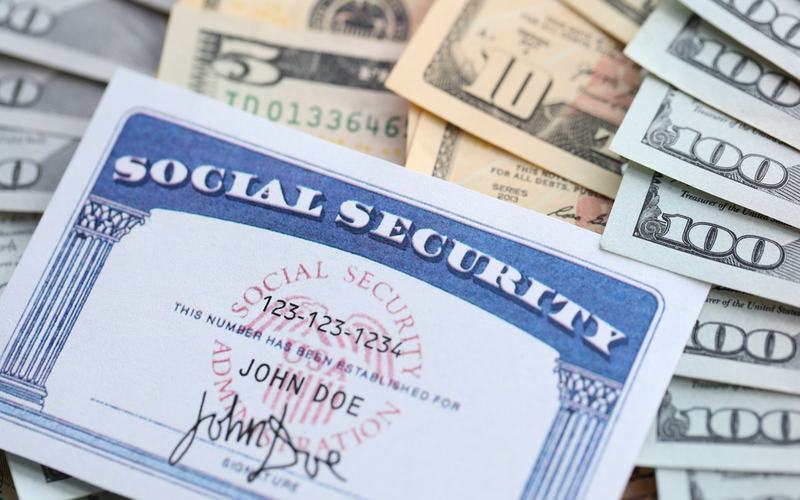
The Social Security Administration announced Tuesday that it has completed what it calls the most comprehensive records cleanup in its 91-year history, updating information across tens of millions of files in an effort to strengthen the accuracy of government identity records and reduce opportunities for fraud.
According to the agency, the cleanup added 17 million dates of death to Social Security records that previously lacked the information. Officials also updated 25 million files missing citizenship information and corrected another 8.5 million records containing inaccurate citizenship data. The agency said the effort resulted in corrections to approximately 15% of all active Social Security numbers.
Social Security Commissioner Frank Bisignano said the initiative was the first effort of its scale undertaken by the agency and emphasized the importance of reliable identity information across government programs and the broader economy.
Bisignano described the Social Security number database as a foundational government record system, arguing that accurate information is essential to protecting the integrity of public services. Reliable records can help authorities identify suspicious claims, prevent identity-related fraud, and ensure benefits are administered properly.
The announcement follows renewed scrutiny of how criminals have exploited weaknesses in government databases to obtain taxpayer-funded benefits and services. In August, The Washington Times reported on a California fraud case involving a man who assumed the identity of Carlos Ramon Obregon, who had died in a drive-by shooting in 1977.
According to the newspaper, the defendant somehow obtained a Social Security card under Obregon’s identity in 2000 and subsequently defrauded multiple government agencies over approximately 24 years. The reported scheme involved Social Security, the Department of Health and Human Services, the State Department, the Treasury Department, and Idaho’s transportation agency, resulting in nearly $284,000 in fraudulent payments and other benefits.
U.S. District Judge David Nye sentenced the defendant to 61 months in prison in August 2026. Authorities said he had used the identity of a deceased American teenager to carry out the scheme for years.
Jonathan Kazmar, a special agent in charge of the State Department’s Diplomatic Security Service in San Francisco, said identity theft involving deceased Americans causes significant harm. He emphasized that the defendant had exploited another person’s identity to commit extensive fraud.
The case illustrates how outdated or incomplete identity records can create opportunities for criminals to exploit government systems. When death dates are missing or identity information is inaccurate, agencies may face greater difficulty identifying fraudulent applications and verifying whether individuals are eligible for government services.
Concerns about Social Security database accuracy also gained national attention earlier this year during Elon Musk’s work with the Department of Government Efficiency. Musk questioned why the system appeared to contain Social Security numbers associated with people who were reportedly far older than the country's living population, raising concerns about potentially outdated records and possible fraud.
The agency’s latest cleanup represents a major effort to address gaps in its records. However, correcting database information does not, by itself, establish how much fraud has occurred or how much taxpayer money the changes might save. The long-term impact will depend on how effectively the improved records help officials detect suspicious activity, verify eligibility, and prevent improper payments.
The initiative places renewed emphasis on the federal government’s responsibility to maintain accurate records for programs funded by American taxpayers. With millions of files now updated, the administration is seeking to strengthen the systems used to determine identity and administer Social Security benefits.

Comments
No comments yet. Be the first to share your thoughts.