
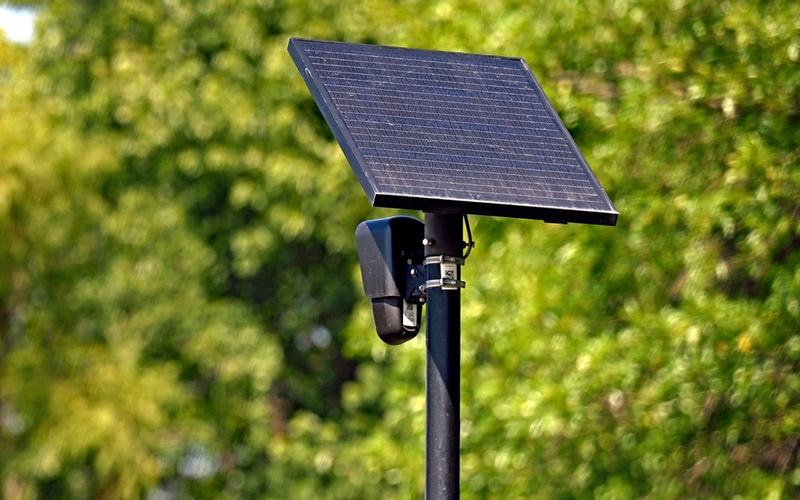
Flock Safety CEO Garrett Langley claimed that much of the nationwide backlash against his company's surveillance cameras is being driven by Russian-linked bots and anonymous paid accounts rather than genuine public opposition.
Langley made the remarks during a private session at the International Association of Chiefs of Police conference in Orlando, Florida. He argued that social media criticism of Flock Safety's technology is largely artificial, suggesting that coordinated online activity is helping fuel resistance to the company's surveillance systems. His comments place the debate over the company's technology within a broader discussion about online influence campaigns and the role anonymous accounts can play in shaping public opinion.
Flock Safety cameras are used by law enforcement agencies to capture vehicle information, including license plates, to help investigators identify vehicles connected to crimes. Police departments can use the technology to investigate incidents such as vehicle thefts, shootings, and other offenses in which a suspect's vehicle may provide an important lead. Supporters argue that these systems can help officers solve cases more quickly and locate vehicles associated with criminal activity.
The technology has also drawn public scrutiny over privacy, data retention, law enforcement access, and the potential for surveillance systems to track people's movements. Critics have raised concerns about how long vehicle data is retained, who can search it, and what safeguards prevent information from being misused. Those questions have fueled debate in communities considering whether to adopt the cameras or continue using them.
Langley's claims raise a central question in the debate over the technology: whether online opposition is being substantially influenced by foreign-linked accounts or reflects broader public concerns about surveillance and privacy. The allegations, as described, do not establish how much of the criticism is coordinated or provide independent evidence that Russian-linked accounts are responsible for the backlash.
The distinction matters because claims of foreign interference can affect how the public and local officials interpret criticism of surveillance technology. If coordinated accounts are amplifying opposition, that activity could complicate efforts to understand public sentiment. At the same time, concerns about privacy and government access to vehicle data remain separate issues that communities may weigh when deciding whether to use the systems.
The dispute highlights the growing tension between law enforcement's use of surveillance technology and demands for transparency and safeguards over how information about Americans is collected, stored, and accessed. As police departments continue adopting digital investigative tools, the debate is likely to remain focused on both their potential value in solving crimes and the limits that should govern their use.

Comments
No comments yet. Be the first to share your thoughts.