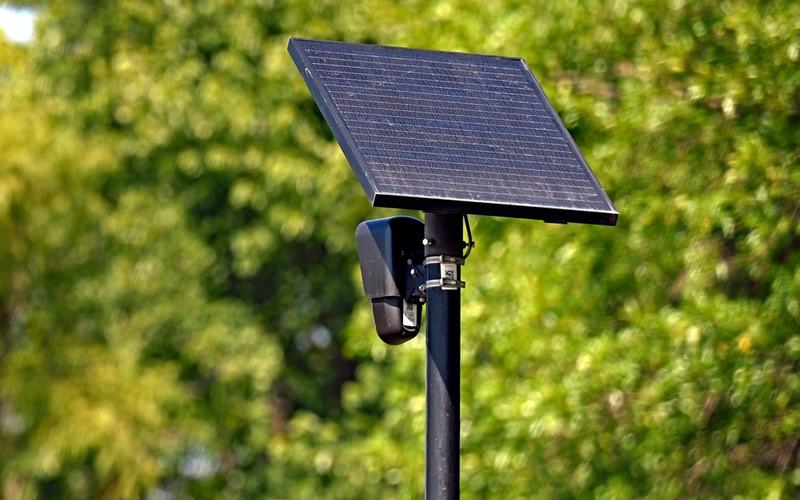
Flock Safety is facing increased scrutiny over the size and security of its nationwide surveillance network after cybersecurity researcher Joshua Michael published a map showing more than 300,000 devices associated with the company, including more than 170,000 cameras.
Flock has previously said it operates more than 120,000 cameras across the country. Michael's map, published Sept. 23, includes cameras as well as more than 130,000 additional devices, according to reporting on his research.
Michael said he created the map using Flock location data that was accessible through a publicly exposed authorization key. According to his account, he discovered the issue in November 2025 and contacted Flock several times before the company addressed the vulnerability. The underlying flaw was later fixed.
The publication of the map has now triggered a separate dispute over its continued availability. Doppel, an AI-based brand-protection company, filed a trademark complaint against Michael on Sept. 24 seeking to have the site removed. The complaint argued that the use of Flock's name could create customer confusion or harm.
The controversy comes as Flock's technology faces growing scrutiny in Washington. The Senate Judiciary Subcommittee on Crime and Counterterrorism held a hearing Sept. 23 titled “Always Watching: Flock’s Nationwide AI Surveillance Network,” examining the use of automated license plate readers and concerns surrounding privacy, security and law enforcement access.
Flock's camera network is designed to capture license plates and vehicle information, allowing law enforcement agencies to search for vehicles and investigate their movements. Supporters argue the technology can help police locate suspects, stolen vehicles and missing people, while critics warn that widespread deployment can create an extensive record of Americans' movements.
Chad Marlow, senior policy counsel for the American Civil Liberties Union and a witness at the Senate hearing, criticized the company's handling of privacy and security concerns. Marlow argued that Flock should be more focused on protecting the privacy of people captured by its cameras than on protecting the company's own information.
Other critics have similarly questioned the secrecy surrounding the number and locations of surveillance devices. Alex Marthews, national chair of Restore The Fourth, said the public should know who is operating automated license plate readers and where they are deployed.
Law enforcement officials have pushed back against those criticisms. Riverside County Sheriff Chad Bianco, a supporter of automated license plate readers, defended Flock and accused critics of spreading misinformation about the technology.
Bianco also argued that anyone who illegally accessed and published protected information should be held accountable. Michael, however, has said he obtained the location information through data that was publicly exposed rather than by bypassing authentication.
The Senate hearing adds to broader scrutiny of Flock's surveillance network. Flock CEO Garrett Langley did not appear at the hearing, according to reporting on the proceedings, while lawmakers questioned witnesses about the privacy and security implications of the technology.
The dispute also comes amid a broader national debate over automated license plate readers, as lawmakers and local officials consider how to balance their use in crime investigations with Americans' privacy rights.

Comments
No comments yet. Be the first to share your thoughts.