
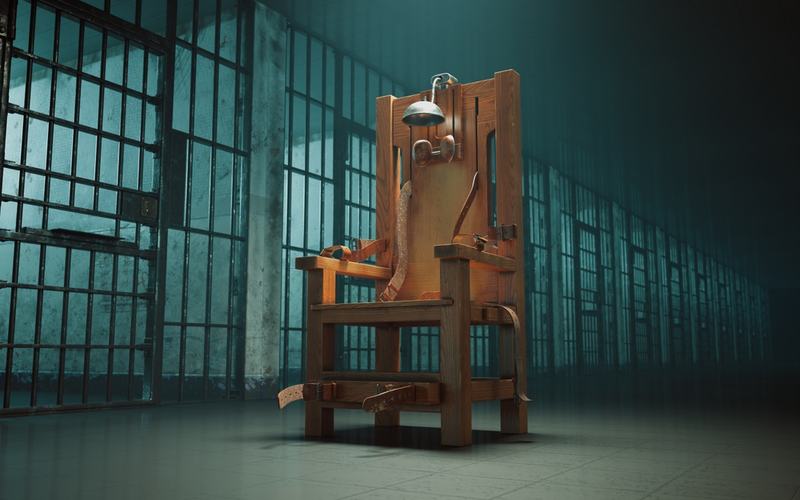
Florida put its 14th inmate to death Tuesday, bringing the nationwide execution total for 2026 to 24 as the post-pandemic rise in capital punishment continues.
Harold Gene Lucas, 74, was pronounced dead at 6:18 p.m. at Florida State Prison near Starke after receiving a three-drug lethal injection. Lucas had been sentenced to death for the 1976 shooting of 16-year-old Jill Piper and the wounding of two of her friends. After spending 50 years on death row, he waived his final appeals and told a judge he was ready for the sentence to be carried out.
Florida accounts for more than half of the year’s executions so far, with two additional ones scheduled for September. The national count of 24 already includes 10 more dates set across the country, according to data from the Death Penalty Information Center. The 2026 pace trails last year’s total of 47 executions, the highest annual figure since 2009, when Florida alone carried out 19, or 40 percent of the national total.
In late July, the state conducted its first double execution in more than six decades. Gov. Ron DeSantis, who has signed death warrants at a rate not seen in Florida for decades, said in July he expects the state to carry out more executions during his tenure than under any previous governor. “I’m not, like, taking any pride in that, because it’s a weighty thing,” he said.
The increase coincides with a shift in federal policy. On his first day back in office, President Donald Trump signed Executive Order 14164, “Restoring the Death Penalty and Protecting Public Safety,” directing the attorney general to pursue capital sentences in qualifying federal cases and to assist states in obtaining lethal-injection drugs. The order reversed a federal moratorium imposed under former President Joe Biden, who before leaving office commuted the sentences of 37 of the 40 inmates then on federal death row. No federal execution has occurred since 2021.
Death Penalty Information Center Executive Director Robin Maher attributed last year’s surge in part to the Trump administration’s push and state officials’ response to it. She noted that juries continue to impose life sentences far more often than death and said she does not expect a return to the higher execution levels of the 1990s and 2000s.
Florida’s next execution is scheduled for Sept. 10.

Comments
No comments yet. Be the first to share your thoughts.