
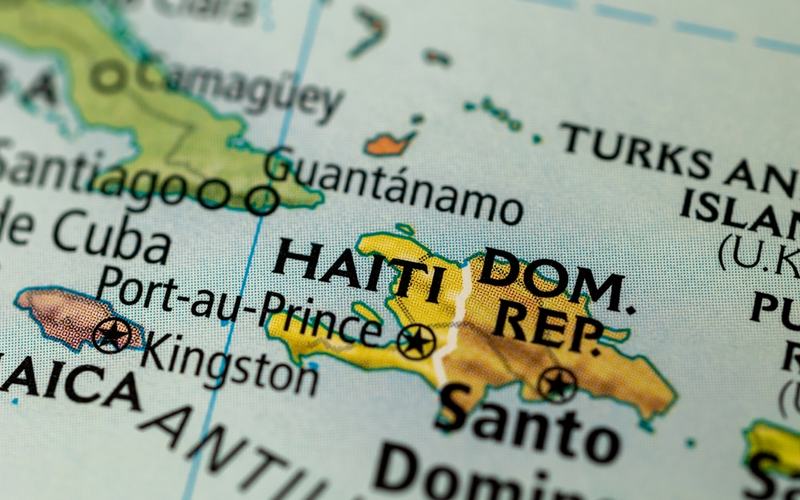
Haiti is struggling to accommodate migrants deported from the United States, with officials warning that the country lacks the staff, funding, and infrastructure needed to provide adequate support to returning nationals.
According to a September report by Human Rights Watch, U.S. deportation flights to Haiti increased from approximately once a month to once a week after the Trump administration ended Temporary Protected Status for Haitians in late July. Haiti’s National Office for Migration reported that more than 450 people had been deported from the United States since July as of the report’s publication on Sept. 21.
The deportations are placing additional pressure on a country already facing widespread gang violence, mass displacement and severe food shortages. Human Rights Watch said Haitian authorities have limited capacity to shelter returning migrants, health care, transportation, food assistance or long-term reintegration support.
Deportation flights are landing in Cap-Haïtien, Haiti’s second-largest city, because security threats have made the airport in the capital, Port-au-Prince, unsafe for normal operations. The northern city is already struggling to accommodate thousands of people displaced by violence.
Haitian migration officials told Human Rights Watch that U.S. authorities provided roughly two days’ notice before deportation flights in August. Officials also said passenger manifests did not always accurately reflect the number of people arriving, making it difficult to prepare for their reception.
During an Aug. 27 visit, Human Rights Watch observed deportees being registered in a converted shipping-container facility with limited seating and inadequate restroom facilities. Some returning migrants said they had arrived without personal belongings, including identification documents, mobile phones, and money.
After registration, many deportees were left to arrange their own transportation and accommodation. Some struggled to reach their hometowns because they lacked money or feared traveling through areas controlled by armed criminal groups.
The situation is unfolding as Haiti confronts a deepening security and humanitarian crisis. Gang violence has displaced large numbers of residents, while inadequate public services and widespread food insecurity have compounded the challenges facing communities receiving deportees.
Haitian officials have warned that the government lacks a comprehensive plan to support returning migrants over the longer term. Human Rights Watch has urged the United States to halt removals that could expose people to serious risks and called for stronger protections for Haitians facing deportation.

Comments
No comments yet. Be the first to share your thoughts.