
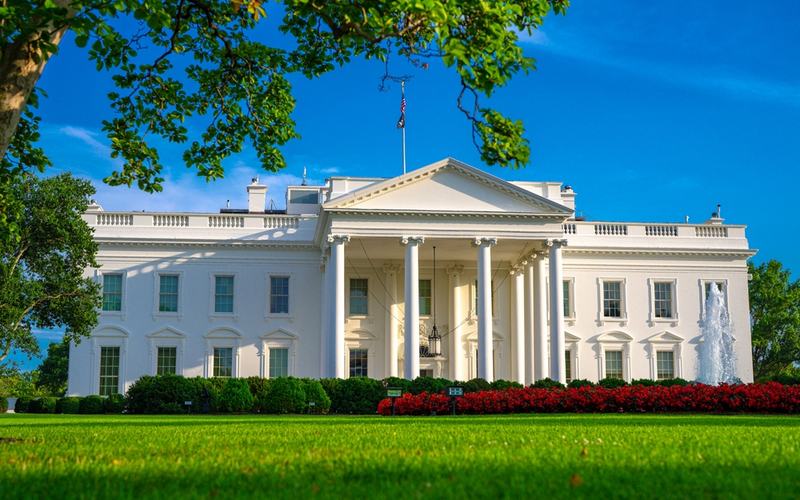
The White House is considering preemptive pardons for lower-ranking Trump administration officials, potentially protecting employees involved in deportations, military operations, and trade policy from federal prosecution for past actions, The Washington Sun reported Saturday.
White House attorneys are examining how broadly President Donald Trump could extend clemency to personnel who have carried out his agenda, according to two people familiar with the private discussions. One option would cover employees in specific policy areas rather than every junior official, while a blanket pardon for all lower-ranking administration personnel is considered unlikely.
The discussions follow Trump’s concerns that administration officials could face years of investigations and mounting legal expenses after leaving government. During an Oct. 15 interview with Newsmax, Trump said he did not want his staff subjected to lengthy legal battles over their work in the administration.
“I don't want to see people that work for me go through years of nonsense, hire lawyers, and everything else, all for nothing,” Trump said.
Trump did not identify potential recipients, specify which offenses might be covered or provide a timetable for any pardons. Asked whether he might pardon himself before leaving office, Trump responded, “Well, I don't think about it because I did nothing wrong.”
The Heritage Foundation and American Moment have encouraged the White House counsel’s office to prepare pardons or arrange financial assistance for junior officials who could face criminal investigations, congressional inquiries or civil lawsuits. Mike Davis, president of the conservative legal organization Article III Project, also said he intends to push the administration to act.
“After listening to Elissa Slotkin threatening to go after young people who joined the Trump administration, President Trump should issue very broad preemptive pardons for anyone who worked for him or in his orbit,” Davis told The Washington Sun.
Davis was referring to recent remarks by Sen. Elissa Slotkin, D-Mich., who suggested that the prospect of future congressional investigations should give young Republicans pause before accepting positions in the administration during its remaining two years.
The debate over potential pardons comes ahead of the Nov. 3 midterm elections, which will determine control of Congress. Democrats have discussed expanding congressional oversight of the Trump administration if they regain a majority in either chamber, raising the prospect of additional investigations into administration policies and officials.
Trump has also emphasized that clemency would not excuse dishonesty or misconduct. Following reports of a Justice Department investigation into alleged contract misconduct involving longtime adviser Corey Lewandowski, the president said administration officials who engage in wrongdoing should face prosecution.
“All I know is, I want my people to be honest. And if they're not going to be honest, they have to be prosecuted,” Trump told reporters, according to The Washington Sun.
The president’s constitutional pardon authority allows him to grant clemency for federal offenses committed before a pardon is issued, even when criminal charges have not yet been filed. However, presidential pardons do not cover state offenses or future crimes, and they do not prevent congressional investigations or protect recipients from civil lawsuits.
Former President Joe Biden issued preemptive pardons before leaving office in January 2025 for several family members and prominent former officials, including retired Gen. Mark Milley and former White House medical adviser Dr. Anthony Fauci. Biden cited concerns about politically motivated investigations.
Trump has repeatedly pointed to Biden’s use of clemency when discussing the scope of presidential pardon powers. During his Newsmax interview, Trump said Biden’s actions demonstrated how powerful the authority could be.
“The only thing Biden did is he proved that. You know, the pardon is very powerful,” Trump said.
The Wall Street Journal reported in April that Trump had joked about pardoning “everyone who has come within 200 feet of the Oval,” prompting laughter from those present. Karoline Leavitt, then the White House press secretary, dismissed the remarks as a joke and told the newspaper it should learn to take one.
The Washington Sun reported that the White House and Heritage Foundation did not immediately respond to requests for comment. American Moment CEO Nick Solheim declined to discuss private conversations but said Trump understood the personal and financial risks facing people who serve in his administration.

Comments
No comments yet. Be the first to share your thoughts.