
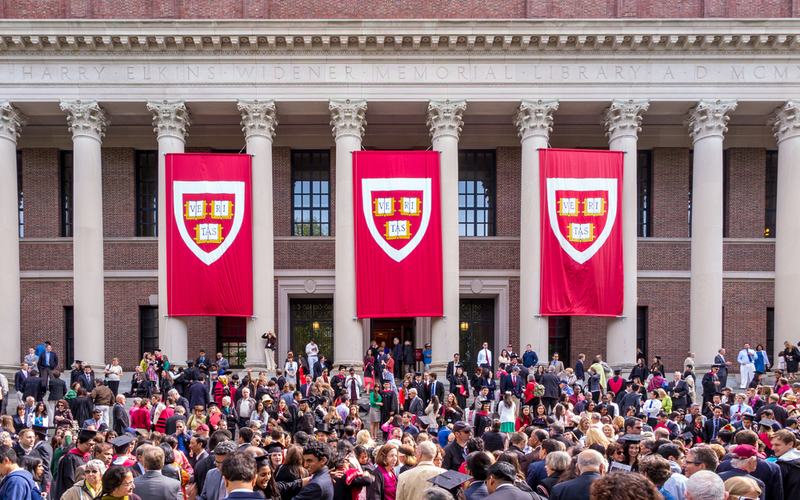
Harvard University’s endowment reached a record $68 billion in fiscal 2026, gaining approximately $11 billion after its investments returned 27%, according to a financial report released Thursday. The gains came as the nation’s wealthiest university continued its legal fight with President Donald Trump’s administration over federal funding and university policies.
Harvard’s investment performance outpaced the broader stock market, with the university reporting returns above the S&P 500’s approximately 21% gain over the same period. The results provided a substantial boost to Harvard’s long-term financial assets, even as the institution confronted funding cuts and uncertainty over its relationship with the federal government.
The Trump administration has targeted Harvard over its handling of campus antisemitism and other university policies. In 2025, the administration cut research grants and moved to block the university from enrolling international students. Harvard challenged both actions in federal court and secured favorable rulings, although appeals remain pending.
Despite the endowment’s growth, federally sponsored research funding fell 20% in fiscal 2026, according to Harvard’s financial report. The university also implemented a hiring freeze, relied on employee attrition and conducted layoffs to reduce expenses. Those measures helped Harvard finish the fiscal year with a modest operating surplus after recording a $113 million deficit the previous year.
However, the university acknowledged that its unrestricted funds available for general operations remained in deficit, highlighting the distinction between its enormous endowment and the money it can readily use to cover operating expenses.
Harvard’s endowment consists of approximately 15,000 individual funds, many of which carry donor-imposed restrictions limiting how the money can be spent. As a result, the university cannot simply redirect its entire investment portfolio toward research, salaries or other immediate financial needs.
University President Alan Garber acknowledged the challenges in a letter accompanying the report, describing the circumstances as “headwinds.” He said Harvard’s officials and employees “have risen as a community to meet this moment with intensity and resolve.”
Harvard Treasurer Timothy R. Barakett and Chief Financial Officer Ritu Kalra also warned that the university continued to face declining federal support, fewer international students and mounting legal expenses.
“We would like to tell you that the uncertainty of the past two years is behind us,” they wrote. “It is not.”
The financial pressures have affected individual schools within the university. Harvard’s T.H. Chan School of Public Health, which has been particularly affected by federal research funding cuts, has sought alternative support from private foundations and businesses. Dean Andrea Baccarelli said last summer that the school was “ramping up targeted outreach to potential corporate partners.”
Harvard Management Company CEO Narv Narvekar credited the endowment’s strong performance to several investment categories, particularly venture capital, publicly traded stocks and hedge funds.
The investment gains offer Harvard a substantial financial cushion, but they have not resolved the university’s disputes with the Trump administration. With federal funding under pressure, international enrollment facing uncertainty and litigation continuing, Harvard must navigate a difficult financial and political environment despite its record-breaking endowment.

Comments
No comments yet. Be the first to share your thoughts.