
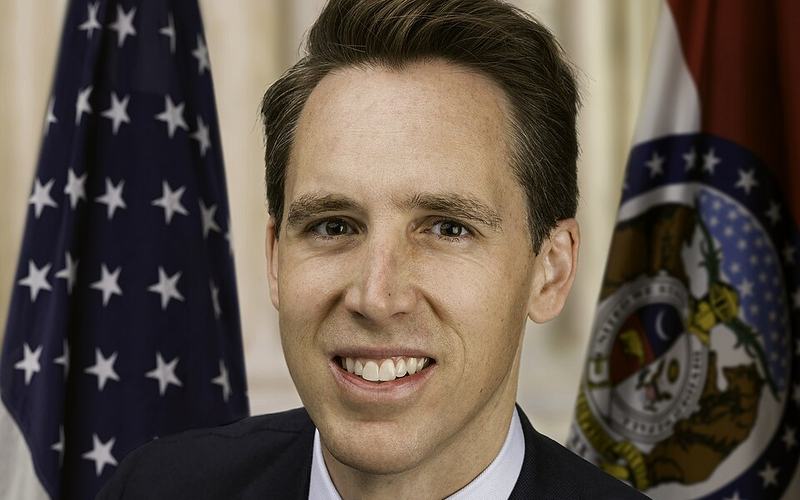
A dispute between Sen. Josh Hawley (R-Mo.) and Senate Health, Education, Labor and Pensions Committee Chairman Bill Cassidy (R-La.) is complicating efforts to advance legislation that would give newly formed labor unions a faster route to their first collective bargaining agreements.
The disagreement centers on the Faster Labor Contracts Act, which would allow government arbitrators to establish an initial contract if a union and its employer fail to reach an agreement within 120 days. Supporters, including the Teamsters, argue that the measure would prevent employers from dragging out negotiations after workers organize.
Hawley wants the Senate committee to take up the legislation before the current Congress concludes. In a Wednesday statement, he said Cassidy had previously pledged to hold a vote and called on the chairman to follow through.
The Missouri Republican has made labor issues a prominent part of his political agenda, challenging the Republican Party's longstanding relationship with business interests. His support for the bill places him alongside Democratic lawmakers and labor organizations seeking greater federal involvement in first-contract negotiations.
Cassidy has taken a different position, saying the legislation still contains significant flaws. The Louisiana senator said he has tried to work with Hawley to resolve concerns related to how the measure would be implemented, its constitutionality, and protections for matters of conscience.
Cassidy said those discussions had not produced progress, despite repeated outreach to Hawley and his staff. He also rejected the idea that a committee should advance legislation primarily to create political talking points, arguing that lawmakers should address substantive problems before moving a bill forward.
The proposal has also alarmed business groups. The U.S. Chamber of Commerce opposed the legislation after it passed the House in June, warning that the 120-day deadline could lead to government-imposed employment contracts rather than agreements negotiated by workers and employers.
Rodney Davis, the Chamber's senior vice president for government affairs, said the bill could deprive workers of the opportunity to vote on the terms of their own employment by replacing negotiations with government-written contracts.
The competing positions leave the bill's future dependent on whether its supporters can address Cassidy's objections and secure a committee vote.

Comments
No comments yet. Be the first to share your thoughts.