
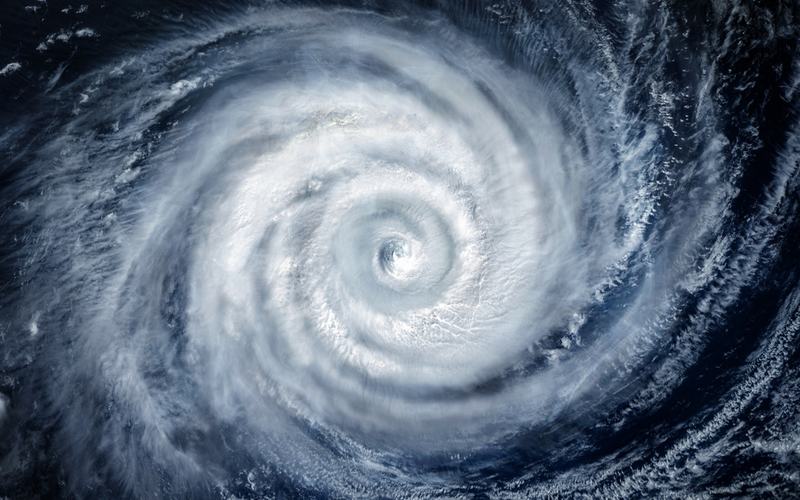
Hurricane Isaias made landfall near Destin, Florida, around 8:30 p.m. Central time on Friday as a Category 2 storm with maximum sustained winds of 105 mph. The system quickly weakened to a Category 1 and then to a post-tropical cyclone by early Saturday morning while moving northward across southern Alabama.
The first hurricane of the 2026 Atlantic season brought life-threatening storm surge, heavy rainfall, and damaging winds to the Florida Panhandle and parts of Alabama and Georgia. Storm surge reached 5 to 7 feet in many coastal areas, with higher inundation possible in bays and sounds. Rainfall totals of 4 to 8 inches fell across the region, triggering flash flooding.
Power outages affected more than 697,000 customers across Florida, Alabama, and Georgia as of early Saturday, according to utility trackers. Roads in Destin flooded, and debris blocked streets in Pensacola. Some counties temporarily suspended emergency responses due to hazardous conditions.
Isaias formed late in the season, marking the latest first hurricane landfall in the United States in decades. The 2025 season saw no hurricane landfalls at all. Forecasters had issued hurricane warnings from near Biloxi, Mississippi, to Panama City, Florida, ahead of the storm.
The National Hurricane Center reported that Isaias peaked as a Category 3 with 120 mph winds over the Gulf before shear weakened it prior to landfall. The center is now moving away from the area, with remaining impacts expected to diminish through the weekend.
Residents in affected areas have been urged to remain cautious of downed power lines, flooding, and potential tornadoes spawned by the system. States of emergency were declared in Florida, Alabama, and Georgia.

Comments
No comments yet. Be the first to share your thoughts.