
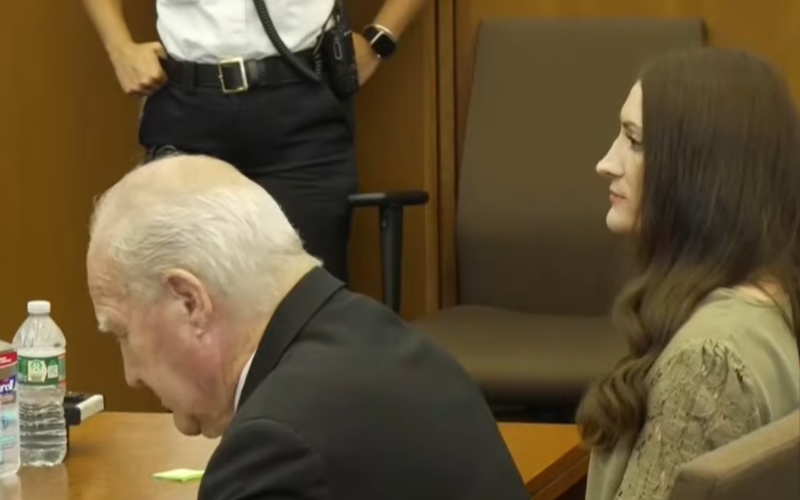
A Massachusetts judge on Monday rejected a defense motion to dismiss the murder charges against Lindsay Clancy, ruling that prosecutors can move forward with a potential retrial over the 2023 deaths of her three young children.
Judge William Sullivan denied the request after Clancy's attorneys argued that the court improperly declared a mistrial in September when jurors failed to reach a unanimous verdict. The defense contended that the judge should have dismissed the lone juror who favored conviction and allowed the remaining jurors to continue deliberations rather than ending the trial.
Sullivan rejected that argument, concluding that the jury's inability to reach a unanimous decision left him with no reasonable alternative to declaring a mistrial. He ruled that the circumstances amounted to a legal necessity and that retrying Clancy on the murder indictments would not violate her constitutional protection against double jeopardy.
Clancy has never denied killing her three children in 2023, but her defense has argued that she was suffering from postpartum psychosis at the time and was unable to control her actions. Her attorneys have maintained that her mental condition prevented her from understanding or controlling her behavior.
Prosecutors have acknowledged Clancy experienced mental health problems but argue that she acted deliberately and understood that her actions were wrong. They have indicated that they intend to retry the case, although they have not decided whether to pursue the same murder charges or seek reduced charges that could be more acceptable to a future jury.
Monday's ruling potentially clears the way for another trial next year. The next court hearing is scheduled for Nov. 16.
Sullivan also rejected a separate request from prosecutors seeking a gag order that would restrict public statements while the case remains pending. Prosecutors argued that limiting public commentary could help prevent potential jurors from being influenced ahead of another trial. Clancy's attorney, Kevin Reddington, gave interviews during the previous proceedings, while prosecutors generally refrained from speaking to reporters.
Clancy's defense opposed the proposed restrictions, arguing that a gag order would constitute an unconstitutional limitation on free speech. The judge's decision means the requested restrictions will not be imposed at this stage of the case.

Comments
No comments yet. Be the first to share your thoughts.