
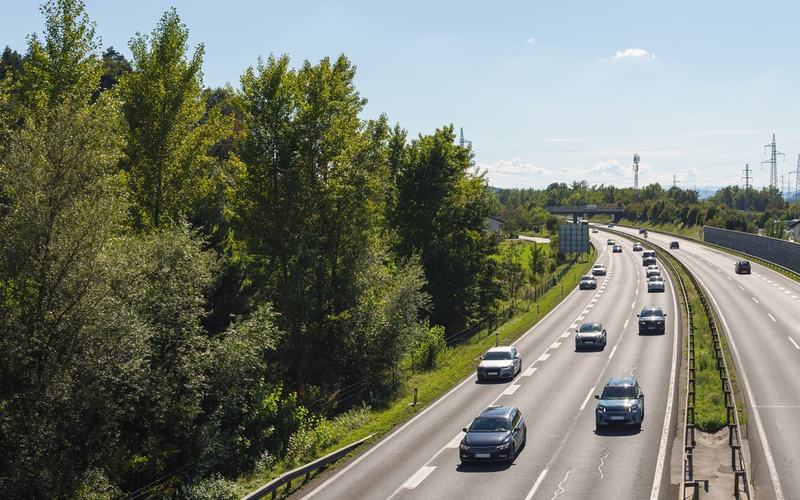
Traffic fatalities in the United States fell to 16,750 during the first half of 2026, a 2.5% decline from the same period last year and the lowest first-half total since 2015, according to figures released Tuesday by the National Highway Traffic Safety Administration (NHTSA).
The number of deaths dropped from 17,175 during the first six months of 2025. The fatality rate also improved to 1.02 deaths per 100 million vehicle miles traveled, reflecting a continued decline in roadway deaths following the surge during the COVID-19 pandemic.
The latest figures put the country on pace for a fifth consecutive annual decline in traffic fatalities. Deaths fell 5% during the first quarter of 2026, although the improvement slowed considerably in the second quarter, when fatalities declined by just 0.2%.
The downward trend follows several years of elevated roadway deaths during and after the pandemic. Traffic fatalities increased 10.8% in 2021, reaching 43,230 deaths, the highest annual total since 2005.
By 2025, annual traffic deaths had fallen to their lowest level since 2019. The fatality rate dropped to 1.10 deaths per 100 million vehicle miles traveled, which NHTSA identified as the second-lowest annual rate in U.S. history.
Despite the broader improvement, bicyclist fatalities remain a concern. Deaths among bicyclists increased 4% to 1,148 in 2025. The number had reached its highest level in more than four decades in 2023.
Researchers have linked the pandemic-era increase in traffic fatalities to changes in driving behavior. With fewer vehicles on the road during lockdowns, some motorists appeared more willing to speed and engage in other risky behavior, while impaired driving involving alcohol and drugs also contributed to the problem.
The consequences of roadway crashes extend beyond the loss of life. A 2023 NHTSA study estimated that motor vehicle crashes directly cost taxpayers approximately $30 billion and imposed $340 billion in costs on society overall. When broader quality-of-life losses were included, the estimated societal cost reached $1.37 trillion.

Comments
No comments yet. Be the first to share your thoughts.