
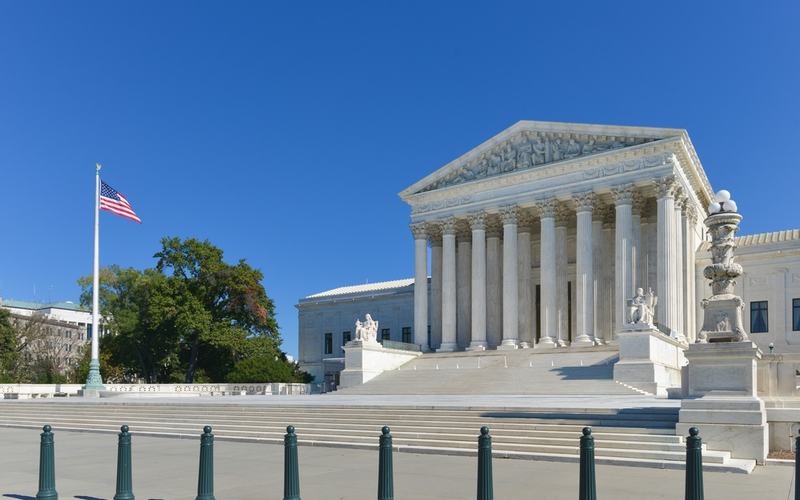
Palestinian activist Mahmoud Khalil asked the Supreme Court on Monday to overturn a Third Circuit ruling that bars federal district judges from quickly reviewing the legality of certain immigration detentions.
Khalil, a lawful permanent resident and former Columbia University graduate student, was detained by immigration authorities last year over his role in pro-Palestinian demonstrations on campus in 2024. The Trump administration cited foreign policy concerns, arguing his presence harmed U.S. interests.
The Third Circuit held earlier this year that federal courts lack jurisdiction to assess such detentions until immigration courts complete their review. Khalil's petition seeks to reverse that decision and allow faster judicial oversight to prevent prolonged holds without review.
The appeals court has stayed its ruling pending the high court's consideration, leaving Khalil free for now. His case stems from arrests targeting noncitizens involved in campus activism critical of U.S. policy toward Israel.
Khalil's lawyers contend the detention punished protected speech under the First Amendment. Government officials have maintained that immigration enforcement prioritizes national security and foreign relations when individuals' activities conflict with U.S. interests.
The Supreme Court receives thousands of petitions annually and grants review in only a small fraction. A related case involving another scholar released by a lower court is already before the justices at the administration's request.
If the Court declines the petition or upholds the Third Circuit, Khalil could face renewed detention proceedings. Federal appeals courts remain divided on whether district judges can intervene early in these matters or if claims must route first through the immigration system.
Khalil was held for months in an ICE facility before a New Jersey federal judge ordered his release last year. The Board of Immigration Appeals later upheld a removal order targeting him for deportation to Algeria or Syria.
The dispute highlights tensions between executive immigration authority and judicial review in cases tied to foreign policy enforcement.

Comments
No comments yet. Be the first to share your thoughts.