
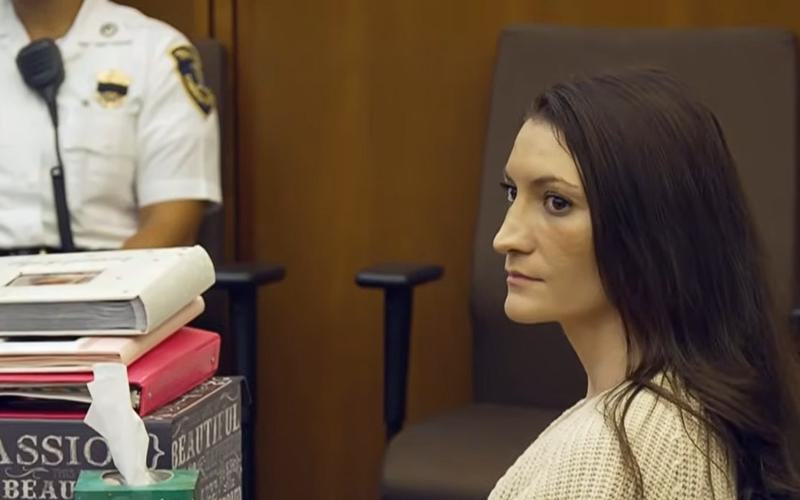
Judge William Sullivan declared a mistrial Friday in the Lindsay Clancy murder trial after the jury failed to reach a unanimous verdict following seven days of deliberations, bringing an end to a closely watched case without determining whether Clancy was criminally responsible for the deaths of her three children.
The mistrial came after a dramatic dispute involving one juror who Clancy’s defense attorney, Kevin Reddington, claimed was holding up the panel. According to the jury foreperson, the juror was refusing to follow Sullivan’s instructions concerning reasonable doubt.
Reddington argued that the juror should be removed and replaced with an alternate, but Sullivan rejected the request. The judge reportedly questioned the jurors individually and reiterated his instructions before allowing deliberations to continue. Sullivan said there was not sufficient cause to remove the juror.
Reddington later characterized the jury as split 11-1 in favor of finding Clancy not criminally responsible. However, that specific breakdown has not been officially confirmed by the court. Prosecutors also disputed the significance of the defense attorney’s characterization of the jury’s position.
Clancy, 36, has admitted to strangling her three children, Cora, 5, Dawson, 3, and Callan, 8 months, in January 2023 before attempting to take her own life. Her defense argued that she was suffering from severe postpartum psychosis and was not criminally responsible for her actions.
Prosecutors argued that Clancy deliberately killed the children and understood what she was doing. The case centered heavily on conflicting medical testimony about her mental state at the time of the killings.
The jury had already reported being deadlocked multiple times before Sullivan ultimately declared a mistrial. The panel included nine women and three men and heard testimony from more than 80 witnesses during the six-week trial, along with more than 300 exhibits.
The mistrial does not amount to an acquittal. Prosecutors now must decide whether to retry Clancy, pursue different charges or take another course of action. A new trial would place the case before a different jury.
The outcome leaves unresolved the central question that jurors spent seven days debating: whether Clancy’s severe mental illness prevented her from being held criminally responsible for the deaths of her children.

Comments
No comments yet. Be the first to share your thoughts.