
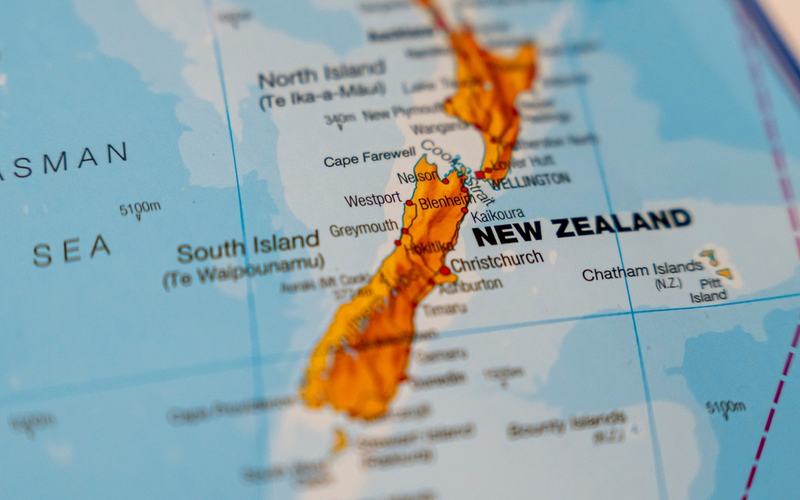
New Zealanders will head to the polls on Saturday for a general election dominated by concerns over the cost of living, housing affordability, and a sluggish economy.
The election, scheduled for November 7, 2026, follows advance voting that began on October 26. Polling stations across the country will open from 9 a.m. to 7 p.m. local time, with preliminary results expected shortly after polls close.
Prime Minister Christopher Luxon of the centre-right National Party faces off against Labour leader Chris Hipkins in a contest polls indicate remains too close to call. Recent surveys show National and Labour each hovering near 28 percent support, with smaller parties like the Greens, ACT, New Zealand First, and Opportunity potentially holding the balance of power.
Cost of living stands out as the dominant issue. Inflation sits at 3.7 percent, unemployment has risen to 5.7 percent—its highest level since 2015—and many households report difficulty affording basics such as food, petrol, and power. A recent Vote Compass survey found that only 35 percent of respondents believe costs will ease under their preferred government.
National has campaigned on fiscal restraint, tax relief, cheaper energy, and reduced regulation to boost growth. Labour has countered by highlighting increases in household expenses under the current government and promising targeted relief on healthcare, transport, and fuel costs.
The race carries implications for New Zealand's economic direction after emerging from recession in 2024. High living costs have contributed to elevated emigration levels, with many citizens seeking opportunities in Australia.
Official results, incorporating special and overseas votes, are due on November 27. No fixed timeline exists for government formation under New Zealand's mixed-member proportional system.

Comments
No comments yet. Be the first to share your thoughts.