
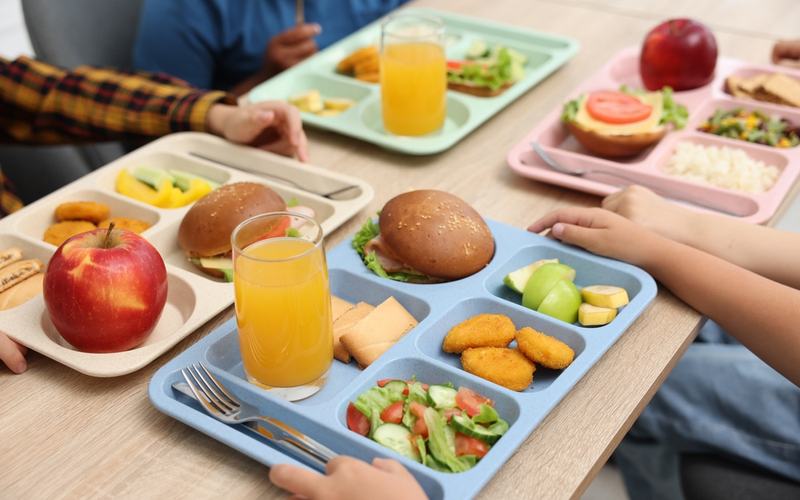
North Dakota voters narrowly rejected a proposed constitutional amendment that would have required schools to provide free breakfast and lunch to K-12 students regardless of their families' income.
Constitutional Measure 2 was defeated in the November 3 election, with 50.61% voting against it and 49.39% supporting it, according to complete but unofficial results. The margin was approximately 2,889 votes out of more than 235,000 cast.
The proposal would have required public schools and charter schools across North Dakota to provide one free breakfast and one free lunch each school day. Participating schools would have received state reimbursement for the costs after maximizing available federal funding. Nonpublic and tribal schools could have chosen to participate.
The program was estimated to cost between $124.3 million and $134.3 million during the 2027-2029 budget period, with reimbursements adjusted for inflation in subsequent years. Supporters argued that universal meals would reduce financial pressure on families, eliminate the stigma associated with income-based meal assistance, and ensure students had access to food during the school day.
Opponents, including Republican Gov. Kelly Armstrong, questioned whether a long-term spending requirement belonged in the state constitution. Critics argued that lawmakers should retain flexibility over school funding rather than be bound by a constitutional mandate that could cost more than $130 million every two years.
The measure's defeat leaves North Dakota's existing school meal programs in place. State lawmakers expanded eligibility for free school lunches in 2025 to include families earning up to 225% of the federal poverty level. A separate state law also requires schools to provide a meal to students who request one, even if they cannot pay, although families who do not qualify for assistance can still be charged for those meals.
The issue could return during the 2027 legislative session. Democratic Rep. LaurieBeth Hager has indicated plans to introduce another universal school meals proposal, while some Republican lawmakers have discussed alternative approaches to helping students and families without establishing a constitutional spending requirement.
The election results remain unofficial pending completion of the state's canvassing and certification process.

Comments
No comments yet. Be the first to share your thoughts.