
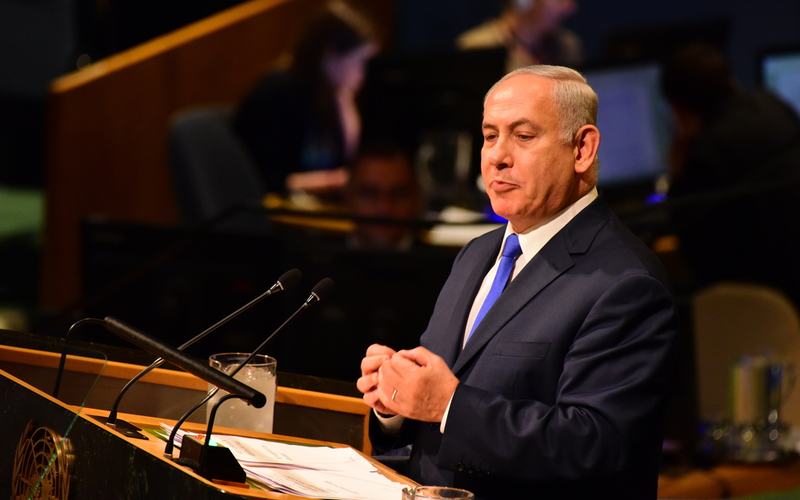
Israeli opposition parties wasted little time after the new Knesset convened Tuesday, introducing legislation aimed at scrutinizing Prime Minister Benjamin Netanyahu's record and undoing several of his signature policies.
Leaders from the opposition bloc, which now holds a majority of seats following October's elections, submitted bills to establish an independent commission of inquiry into the security failures surrounding the Hamas attack on October 7, 2023. They also moved to repeal the judicial overhaul passed under Netanyahu's previous government and to impose term limits on the prime minister.
The Yashar party, led by former army chief Gadi Eisenkot, drove much of the effort. Eisenkot has been tasked by President Isaac Herzog with forming a new government. The proposals target what opponents describe as Netanyahu's mishandling of pre-October 7 warnings and his broader legacy of long rule.
Netanyahu, who remains caretaker prime minister, addressed the Knesset and warned against any coalition that relies on Arab parties. He claimed such a government would endanger the state and called for a unity administration instead. Eisenkot condemned the remarks as divisive and evidence that Netanyahu is unfit to continue in office.
The opposition's moves come amid ongoing coalition talks. Eisenkot's bloc secured recommendations from lawmakers representing 67 seats, though forming a stable majority remains challenging without support from Arab parties or other factions. Netanyahu's right-wing bloc won 53 seats but fell short of a majority.
Critics of the opposition argue the rapid legislative push risks further polarization at a time when security challenges persist. Netanyahu has long positioned himself as essential to Israel's defense posture against Hamas, Hezbollah, and Iran.
The new parliament's first session highlighted deep divisions. Opposition figures emphasized accountability for the deadliest day in Israel's history, while Netanyahu's supporters view the inquiries and reforms as politically motivated efforts to sideline the longest-serving prime minister.
Eisenkot has 28 days, with a possible 14-day extension, to assemble a coalition. If unsuccessful, Netanyahu could receive the mandate next. The outcome will determine whether Netanyahu's influence ends or continues in some form.

Comments
No comments yet. Be the first to share your thoughts.