
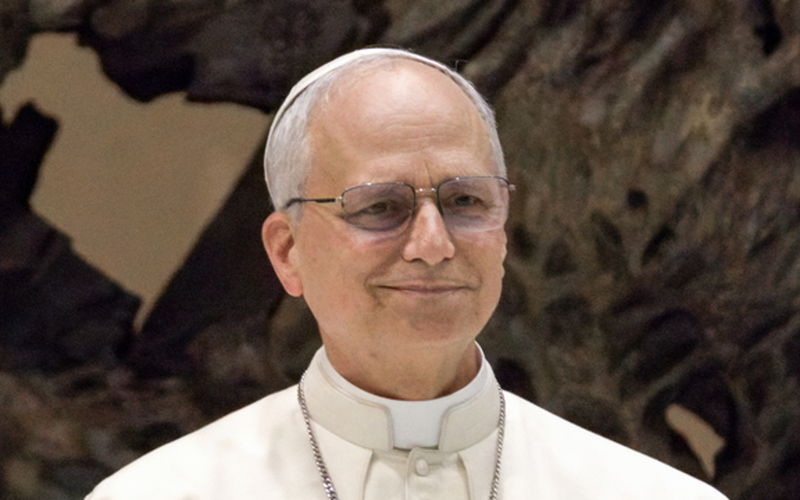
Pope Leo XIV is pushing back against President Donald Trump’s skepticism toward warnings about the potential dangers of artificial intelligence, saying concerns that the technology could ultimately threaten humanity should not simply be dismissed.
The pope made the comments Monday while speaking to reporters aboard his flight back to Rome following a four-day trip to France. He was asked about growing debate over the potential risks posed by increasingly powerful AI systems.
“I do think that the concerns raised by many of the experts, specialists in AI, should be taken seriously,” Leo said. “I don't think that that is fake news, as some have said.”
The comments came days after Trump addressed artificial intelligence during his speech to the United Nations General Assembly. Trump rejected efforts to establish broad international controls over AI and dismissed warnings that the technology could become an existential threat. He argued that the United States should continue developing the technology rather than allow concerns about its potential dangers to slow American innovation.
Trump also argued that many of the people now warning that AI could kill humanity are the same people who previously raised alarms about other issues he considers exaggerated or unfounded. He emphasized that the United States needs to maintain its lead over China in rapidly developing technology and said he would not stifle its growth.
Leo, however, called for continued research and safeguards as AI develops. He urged governments, technology companies and researchers to examine ways to prevent artificial intelligence from reaching a point where it could cause catastrophic harm.
“I think that there are enough people seriously interested in that ... but we have to keep working,” the pope said. “We can't just sit back and pretend nothing's going to happen.”
The Vatican has increasingly focused on the ethical implications of artificial intelligence during Leo's papacy. In a recent address delivered by Vatican Secretary of State Cardinal Pietro Parolin at the United Nations, the Holy See emphasized that AI should remain subject to human responsibility and oversight, particularly when the technology is used in warfare.
The Vatican's position does not call for abandoning artificial intelligence. Instead, church officials have argued that the technology should serve human beings and remain subject to clear ethical limits and human accountability. The Holy See has specifically warned against allowing responsibility for potentially lethal decisions to be transferred to automated systems.
The disagreement between Leo and Trump highlights a larger international debate over how quickly artificial intelligence should advance and what safeguards, if any, should accompany its development. Trump has emphasized American technological leadership and warned against regulations that could allow China to gain an advantage, while Leo has stressed caution, human oversight, and the potential consequences of failing to address AI risks.

Comments
No comments yet. Be the first to share your thoughts.