
Republican candidates and outside groups have dramatically increased their spending on midterm advertising in the final weeks before the November elections. Over the past three weeks, they committed an additional $434 million to Senate and House races, representing a 46 percent rise in Senate spending and a 36 percent increase for House contests, according to analytics firm AdImpact.
The surge comes as Democrats have posted gains in recent polling in several competitive races, including some traditionally Republican strongholds. The spending shift includes previously safe seats as the president's party works to defend its majorities.
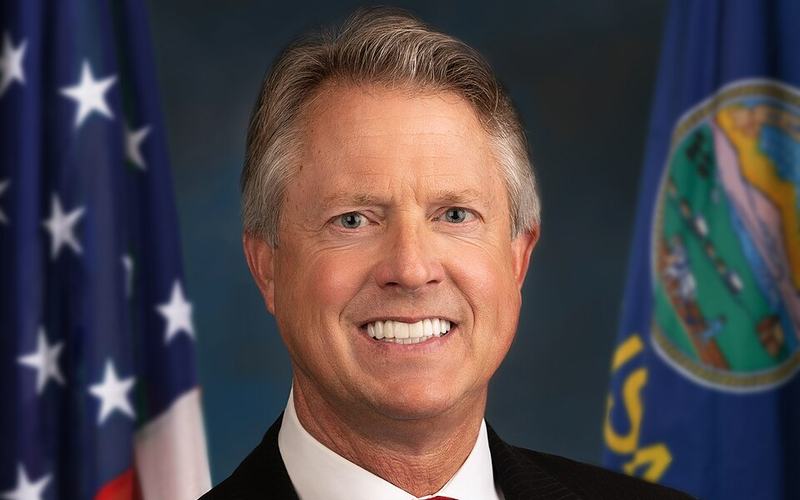
In Kansas, where Democrats have not won a Senate race since 1932, new polling shows a statistical tie between Republican incumbent Roger Marshall and Democratic challenger Adam Hamilton. Republican ad spending in the state jumped from $5 million to $21 million since September 22.
Florida has seen similar defensive spending. Republicans boosted advertising for the Senate seat previously held by Marco Rubio to $22.5 million as of October 14, up from $7 million three weeks earlier.
Texas has emerged as the most expensive Senate contest, with total ad reservations exceeding $503 million. Republican spending there surged 131 percent to $232 million in recent weeks. Recent polling averages show Democratic candidate James Talarico holding a roughly 3-point lead over Republican Ken Paxton.
The increased Republican outlays coincide with economic pressures on voters, including higher prices tied in part to elevated petrol costs amid the Iran war. These factors have weighed on President Trump's approval ratings and given Democrats advantages on key issues.
Republicans maintain an overall spending edge, having outspent Democrats by nearly $1 billion to $661 million in tracked campaign ads according to earlier analyses. Despite the financial advantage, Democratic gains in the generic congressional ballot have widened to roughly 9 points in some recent averages.
Election Day is November 3. Republicans are prioritizing base turnout and economic messaging in their expanded ad campaigns.

Comments
No comments yet. Be the first to share your thoughts.