
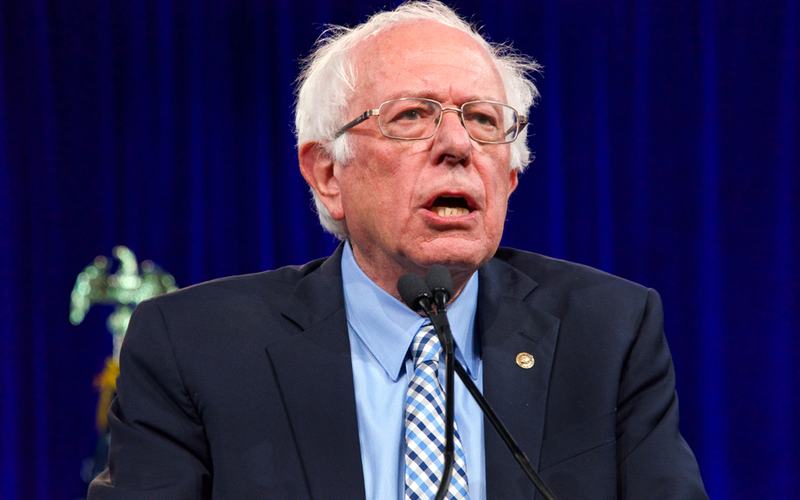
Sen. Bernie Sanders on Wednesday released a detailed legislative blueprint for implementing Medicare for All over four years, positioning the plan as a top priority for the Health, Education, Labor and Pensions Committee once Democrats assume Senate control in January.
The proposal, first shared with The Associated Press, begins with lowering the Medicare eligibility age from 65 to 55 in the first year while expanding benefits to include dental, vision, and hearing care and guaranteeing coverage for children through age 18. Eligibility would drop to 45 in year two and 35 in year three before extending to all Americans in year four.
Sanders, who is expected to become committee chairman, described the universal system as no longer a radical idea and said Democrats would advance it aggressively. The plan builds on legislation he introduced in April.
Democrats are projected to hold a 56-44 majority in the new Congress. Sanders indicated the effort could use budget reconciliation to bypass the filibuster, requiring only 51 votes in the Senate.
Any legislation would still require President Trump's signature. Sanders expressed optimism that Trump might support elements of the initial expansions but acknowledged the full Medicare for All measure faces significant hurdles.
Critics have long pointed to the high costs associated with such expansions. A 2022 Congressional Budget Office analysis estimated that lowering the Medicare eligibility age to 60 alone would add $155 billion to federal deficits over five years. Funding proposals typically rely on shifting from private premiums to higher payroll taxes, increased levies on high earners, and new taxes on financial transactions and large corporations.
The blueprint arrives amid ongoing concerns about Medicare's long-term solvency, with trustees projecting the Hospital Insurance Trust Fund could face insolvency by 2033 without reforms. Sanders has previously argued the current system wastes resources on administrative costs and profits for insurers.
The announcement follows Democratic gains in the midterm elections and sets up early debates in the new Congress over healthcare policy priorities.

Comments
No comments yet. Be the first to share your thoughts.