
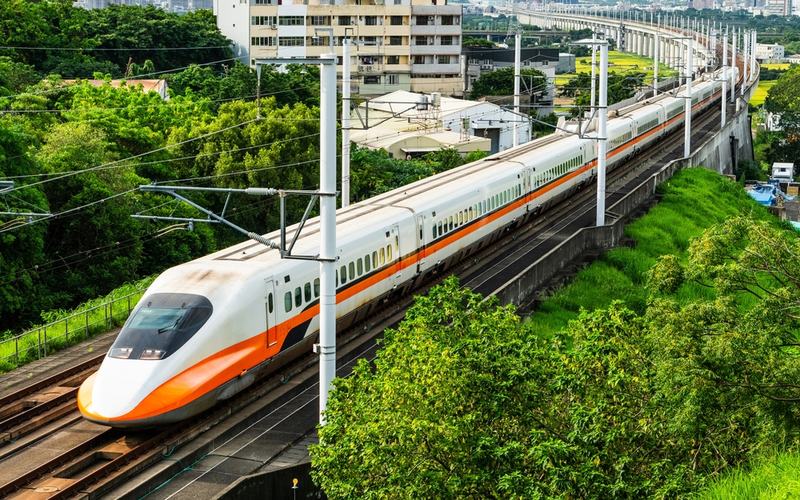
Texas lawmakers will consider a proposal to establish high-speed passenger rail between Dallas, Waco, Austin, and San Antonio when the Legislature convenes in January. State Rep. John Bucy, a Democrat from the Austin area, filed House Bill 270, which would direct the Texas Department of Transportation to partner with a private company to build and operate a rail line along the Interstate 35 corridor.
The legislation defines high-speed rail as passenger service expected to reach speeds of at least 110 miles per hour. Under the proposal, TxDOT would enter into a comprehensive development agreement with a private entity responsible for constructing, maintaining and operating the system.
HB 270 would also repeal a provision of the Texas Transportation Code that currently prevents state money from being used to plan, build or operate high-speed rail run by a private company. Bucy has previously supported similar efforts, arguing that passenger rail could provide an alternative to traffic congestion along one of the state's busiest highway corridors.
However, the proposal comes as California's high-speed rail project faces continued scrutiny over its escalating costs, delays and lack of passenger service. California voters approved a $10 billion bond in 2008 for a project originally estimated to cost $45 billion, with service between San Francisco and Los Angeles expected by 2020. The estimated cost has since climbed to between $126 billion and $231 billion, while the full system is now projected to extend into 2040. The current construction effort is focused on a shorter Central Valley segment between Merced and Bakersfield.
California's experience highlights the financial and logistical risks Texas could face if lawmakers pursue a similar transportation project. Although HB 270 proposes a private partnership rather than California's state-led approach, the Texas legislation does not include a construction cost estimate, ridership projections or a specific completion schedule.
The California project has continued to advance, with the state's rail authority announcing in October that it had completed environmental clearance for its planned 494-mile first phase and approved a contract for its first high-speed trainsets. The agency is targeting passenger service by 2033 on the initial operating segment.
Supporters of the Texas proposal argue that a rail connection could reduce travel times between major metropolitan areas and provide another option for commuters traveling along I-35. The bill would place responsibility for developing the system with a private company, while requiring TxDOT to pursue the partnership.
The proposal will face an uncertain path through the Legislature. A similar measure filed during the previous session advanced through the House Transportation Committee but never received a full House vote. HB 270 will need committee approval and support in both chambers before it can become law.
With no official cost or ridership estimates attached, lawmakers will have to weigh the proposed transportation benefits against the potential financial and construction commitments. California's experience has made the cost, timeline, and long-term funding of large-scale high-speed rail projects central questions for any state considering a similar undertaking.

Comments
No comments yet. Be the first to share your thoughts.