
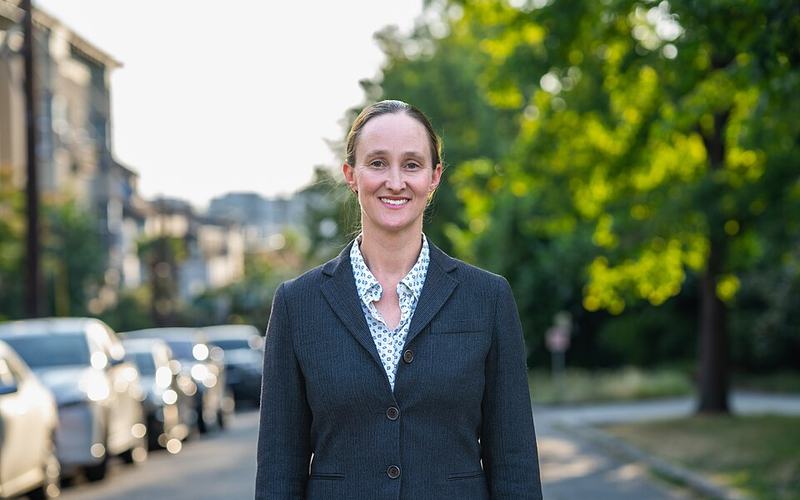
Seattle Mayor Katie Wilson is proposing new restrictions on firearms in certain “sensitive spaces” as part of a broader gun-violence prevention plan following several shootings in the city.
Wilson’s administration is seeking to work with Washington state lawmakers on additional firearms regulations, including restrictions on carrying guns in designated sensitive places, new rules for firearms at Seattle Center and changes to juvenile firearm possession and sentencing laws.
The proposal follows a violent summer in Seattle. On July 26, three people were killed, and several others were injured in a shooting at the Bite of Seattle festival at Seattle Center. Wilson called the shooting an act of violence and said the city would develop a broader strategy to address gun violence.
In early September, three young people were killed and three others seriously injured in separate violence in Seattle’s Belltown neighborhood. Wilson subsequently said she would push the state Legislature for policies intended to keep guns off the streets while also increasing police presence in high-crime areas.
The mayor’s plan includes several components beyond firearm restrictions and gun-free zones. Her office has described an approach involving community violence interruption, focused deterrence, public-safety investments and additional staffing for gun-violence prevention efforts.
The proposed sensitive-place restrictions would require action by the Washington Legislature. Wilson has also proposed measures specifically addressing Seattle Center, where the July shooting occurred.
The plan is expected to face debate over the scope of firearm restrictions and how they should interact with existing state and federal gun laws. Legislation that, like Wilson's, aim to restrict where and when citizens can exercise their Second Amendment right to bear arms can sometimes do more harm than good. Research from the Crime Prevention Research Center and similar sources have long found that a large majority of mass public shootings occur in areas where civilian carry is prohibited, on the idea that perpetrators preferentially select locations where potential victims are less likely to fight back.
Another argument against Wilson's plan point to Chicago as a cautionary example. Chicago, like Seattle, is a heavily populated city controlled by Democrats and maintains some of the strictest firearm regulations in the entire country. Despite this, Chicago has long struggled with elevated rates of crime and gun violence citywide. Just over this year's Labor Day weekend, the city saw dozens of shootings that left 8 dead and dozens more injured.
No legislation or cement proposal has been enacted at this time. Seattle officials are continuing to develop the proposals as the city works with state lawmakers and other public-safety partners.

Comments
No comments yet. Be the first to share your thoughts.