
The U.S. Senate passed bipartisan legislation Thursday to speed up federal approvals for major energy and infrastructure projects, including power plants, transmission lines and data centers. The Bipartisan American Affordability and Jobs Act passed 62-33 and now moves to the Republican-controlled House of Representatives. President Donald Trump has said he will sign the measure if lawmakers approve it.
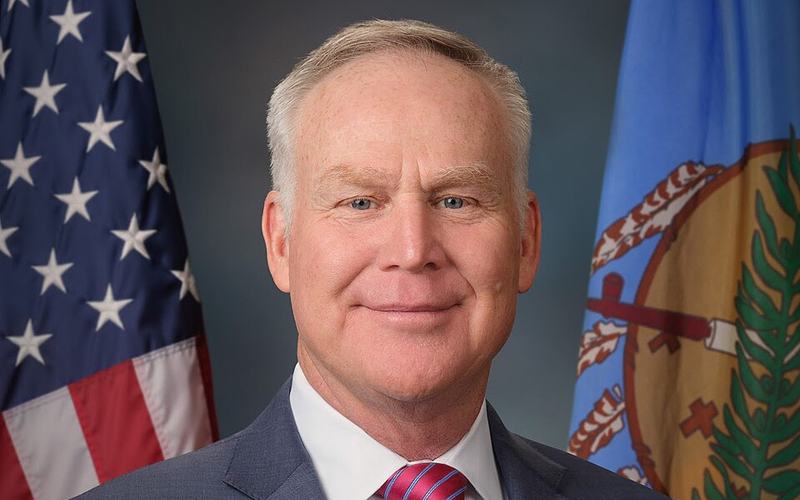
Oklahoma Republican Sen. Alan Armstrong supported the legislation and had made permitting reform a central priority during his time in the Senate. A former energy industry executive, Armstrong argued that lengthy approval processes have prevented the country from building the infrastructure needed to connect domestic energy resources with growing consumer demand.
Armstrong urged passage of the bill during a Senate floor speech earlier in the week, emphasizing its potential to lower utility costs, encourage private investment and strengthen American competitiveness. He also praised the bipartisan coalition behind the proposal, which brought together traditional energy producers, renewable energy interests, labor organizations and infrastructure developers.
The legislation is the product of four years of negotiations and represents one of Congress' most significant efforts in years to address permitting delays. Fourteen Democrats and one independent joined most Senate Republicans in supporting the measure. Sens. Josh Hawley of Missouri and Mike Rounds of South Dakota were among the Republicans who voted against it.
The legislation comes as electricity demand rises, driven in part by the rapid expansion of Super Intelligence systems and the data centers required to operate them. Lawmakers have raised concerns about whether the nation's power grid can keep pace with that demand and how the cost of expanding infrastructure will affect American households and businesses.
Under the bill, federal agencies would face tighter deadlines for environmental reviews, while planning and construction of transmission lines would be accelerated. The measure would also limit the circumstances under which approved permits could be revoked or challenged in court, giving developers greater certainty when pursuing major projects.
Large data centers would also be required to cover a greater share of the grid upgrade costs associated with their electricity needs. The provision is intended to prevent existing utility customers from bearing an unfair share of the expenses created by energy-intensive facilities.
Sen. Shelley Moore Capito, a Republican from West Virginia and one of the bill's four authors, praised the Senate's approval, saying it marked an important step toward addressing affordability concerns. Supporters argue that reducing regulatory delays will make it easier to build energy infrastructure, expand supply and lower costs for consumers.
Most opposition came from Democrats who argued the legislation could weaken environmental protections and tribal sovereignty. Sen. Jeff Merkley, a Democrat from Oregon, said tribes had not been adequately consulted and argued that issues involving state and tribal rights deserved further consideration.
The bill now faces consideration in the House, where its future remains uncertain as lawmakers prepare for a new Congress in January. Armstrong has warned that failure to enact permitting reform could push major American investment opportunities overseas rather than allowing the country to develop the infrastructure needed to support its economy

Comments
No comments yet. Be the first to share your thoughts.