
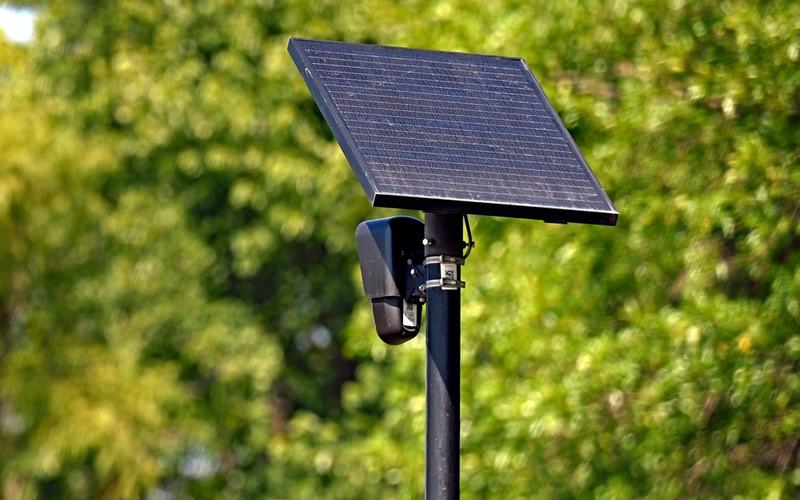
A new working paper from University of South Carolina professors Ian Adams and Scott Mourtgos found that automated license plate readers, or ALPRs, were associated with an 11% decline in motor vehicle theft after deployment. The researchers analyzed Flock Safety’s fixed ALPR networks across 216 U.S. law enforcement agencies using crime data from 2017 through 2023.
The study also found that motor vehicle theft arrest clearance increased by 15.9% following deployment. However, the researchers cautioned that the clearance increase began before the recorded deployment dates, making it difficult to determine how much of that change was directly attributable to the cameras.
Vehicle recovery times showed less of an effect. The researchers found a modest reduction in the time among vehicles that were ultimately recovered, but no measurable change in recovery timing across all stolen vehicles. The study noted that many stolen vehicles are recovered after being abandoned or involved in crashes, limiting the effect ALPRs can have on recovery times.
Mourtgos said the findings are particularly relevant because motor vehicle theft has historically been difficult for law enforcement to clear through arrests. He said agencies should evaluate emerging technologies to determine whether they provide enough public safety benefit to justify their cost and use.
The study also acknowledged ongoing concerns over privacy, surveillance and potential misuse of ALPR systems. The researchers did not have enough information to determine how frequently agencies have misused the technology, and Mourtgos said those concerns need to be considered alongside potential public safety benefits.
Flock Safety, which was founded in 2017, has expanded its ALPR network to thousands of communities nationwide. The company says its systems provide fixed-location vehicle images and that agencies control access to the data. The broader use of the technology has nevertheless prompted continuing debates over data retention, sharing and oversight.
The South Carolina researchers described their work as a large-scale evaluation of fixed ALPR networks, while noting that additional research is needed as agencies continue adopting the technology. Mourtgos said he expects law enforcement agencies to continue adding cameras as departments assess their potential uses

Comments
No comments yet. Be the first to share your thoughts.